
Blog

  • Best Foods to Eat in Winter for Warmth & Energy

    Best Foods to Eat in Winter for Warmth & Energy

    What Are the Best Foods to Eat in Winter

    Winter in India brings cold mornings, chilly nights, and a natural craving for warm, comforting foods. Eating the right winter foods can help you stay energetic, cosy, and active during the season. This guide shares the best foods to eat in winter India and how they fit into a healthy everyday routine.

    What Are the Best Foods to Eat in Winter?

    Winter foods are natural, seasonal ingredients that provide warmth, energy, and comfort during cold weather. These foods are rich in natural oils, heat-producing qualities, and filling nutrients. In Indian tradition, winter foods are specially chosen to help the body adjust to lower temperatures.

    Benefits of Eating Winter Foods in Daily Life

    Here are some simple lifestyle benefits of winter-friendly foods:

    • Provides Warmth
      Many winter foods are believed to generate heat in the body.
    • Boosts Daily Energy
      Rich, wholesome foods may help you feel active throughout the day.
    • Good for Digestion
      Warm foods often digest better in cold weather.
    • Better Immunity Support (General Belief)
      In many Indian homes, winter foods are used to keep the body strong.
    • Seasonal Freshness
      Eating seasonal foods helps maintain natural balance and taste.
    How and When to Eat Winter Foods

    How and When to Eat Winter Foods?

    Morning

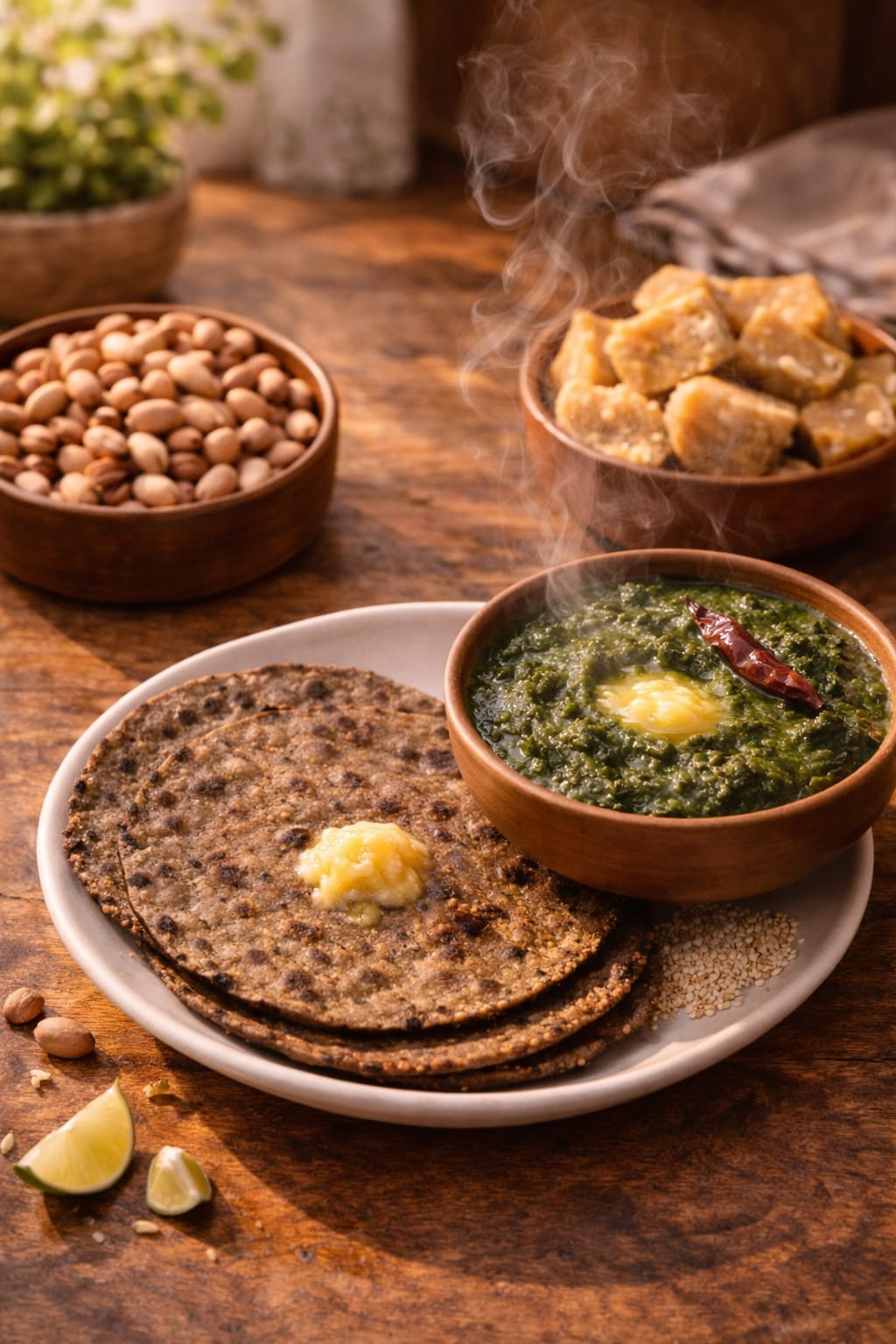
    Warm foods like jaggery, ghee chapati, nuts, or haldi doodh may help start the day with comfort.

    Afternoon

    A wholesome meal with winter vegetables like carrots, leafy greens, and fresh methi works best.

    Evening

    Warm snacks like roasted peanuts, sweet potato, or bajra roti help you stay cosy.

    Night

    Warm milk, soups, or light winter vegetables help you sleep comfortably.

    General Quantity

    Small to medium portions are enough. Winter foods are rich, so avoid overeating.
    Best Foods to Eat in Winter in India

    Best Foods to Eat in Winter in India

    Here are the top seasonal foods loved across Indian households:

    1. Jaggery (Gur)

    Jaggery is traditionally believed to generate heat and support digestion. Most people enjoy it with roti, in churma, or with peanuts.

    2. Ghee

    A spoon of ghee adds warmth and richness to meals. Many families use ghee on parathas or dal during winter.

    3. Nuts & Dry Fruits

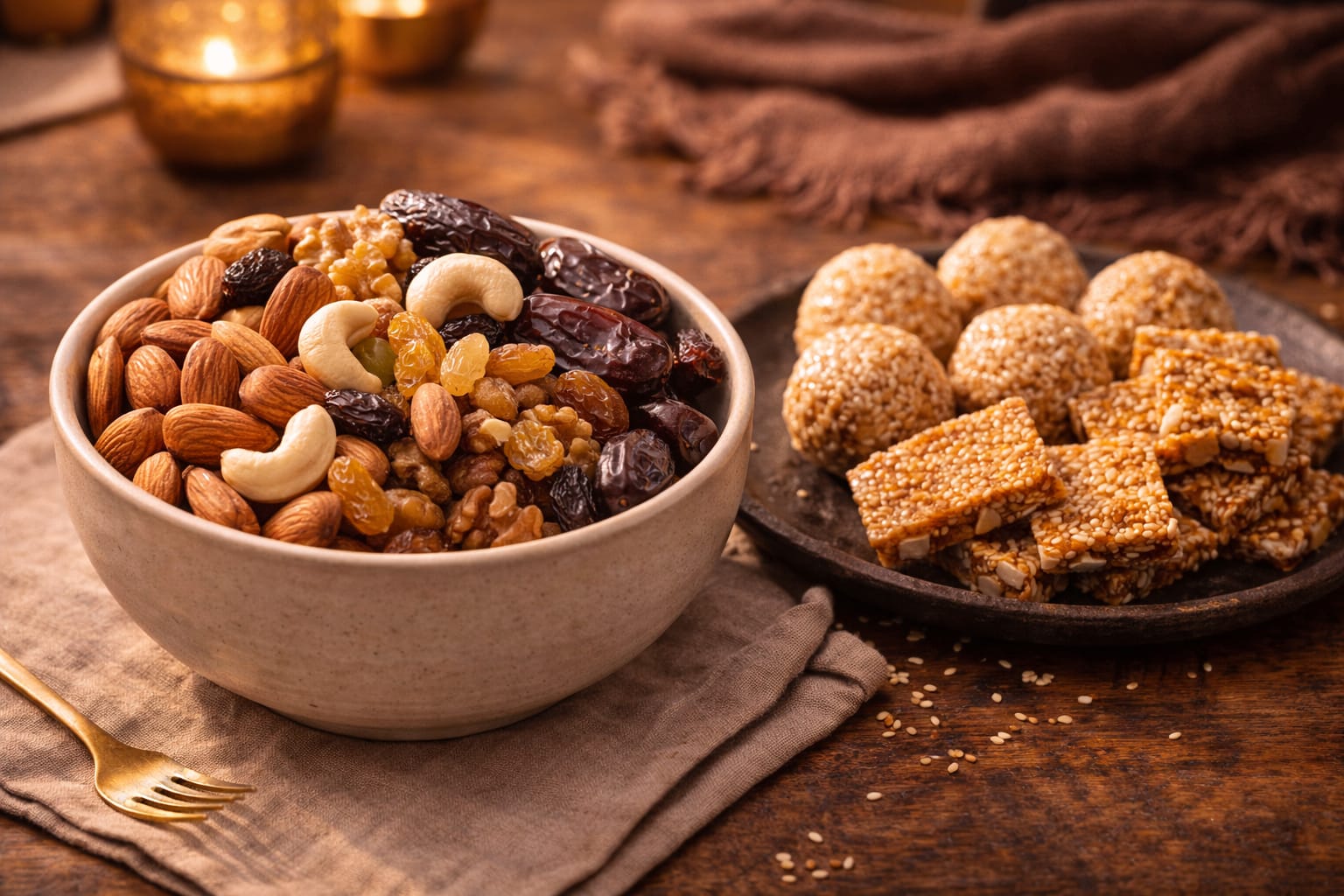
    Almonds, cashews, walnuts, dates, and raisins give natural energy. They are popular winter snacks.

    4. Sesame (Til) & Til Ladoo

    Til is considered warming in Indian tradition. Til ladoos are widely enjoyed during winter festivals.

    5. Sweet Potatoes (Shakarkandi)

    Sweet potatoes provide steady energy. Roasted sweet potatoes are a popular winter street food.

    6. Bajra Roti

    Bajra is a classic winter grain. It keeps you full for hours and works well with ghee and jaggery.

    7. Carrots

    Red winter carrots are used in gajar ka halwa, soups, and salads. They add natural sweetness and warmth.

    8. Sarson ka Saag

    A traditional winter dish in North India. Served with makki roti, it provides warmth and fullness.

    9. Green Leafy Vegetables

    Methi, spinach, and bathua are abundantly available in winter. They support digestion and daily nourishment.

    10. Winter Fruits

    Fruits like oranges, amla, apple, and guava help keep you refreshed and hydrated.

    Side Effects or Things to Keep in Mind

    Side Effects or Things to Keep in Mind

    • Winter foods are often rich, so avoid overeating.
    • Use ghee and jaggery in moderation.
    • If nuts feel heavy, reduce the quantity.
    • Avoid eating too many fried snacks.
    • People sensitive to heat-producing foods should balance portions.

    Real-Life Examples or Traditional Uses

    • Indian homes make gajar ka halwa, til ladoo, and methi paratha during winter.
    • Roasted peanuts and chikki are common snacks in the season.
    • Winter weddings often include rich foods like sarson saag and makki roti.
    • Elders give haldi milk at night for warmth.
    • Many people carry dry fruits in tiffins for steady energy.

    Conclusion

    Winter foods in India offer warmth, steady energy, and seasonal nourishment. Adding jaggery, ghee, nuts, bajra, leafy greens, and winter vegetables to your meals can help you stay active and comfortable. Enjoy these foods in moderation to make the most of the season.

    Frequently Asked Questions

    Q1. Can we eat winter foods at night?

    Yes, you can eat winter foods at night, but it’s better to choose lighter options such as soup, warm milk, or leafy vegetables. Very heavy foods like halwa or fried snacks may cause discomfort if eaten right before sleep.

    Q2. Can I eat winter foods daily?

    Yes, most winter foods can be eaten daily when consumed in moderation. They are seasonal and naturally suited for cold weather.

    Q3. Are winter foods good for skin, energy, or digestion naturally?

    Winter foods may help indirectly. Warm, seasonal foods are commonly believed to support energy levels, smooth digestion, and natural skin nourishment as part of everyday life.


  • Best Fruits to Eat in Summer for Hydration

    Best Fruits to Eat in Summer for Hydration

    What Do We Mean by the Best Summer Fruits

    Summer in India is all about heat, sweating, and the constant need for hydration. Eating the right fruits can help you stay cool, refreshed, and energetic throughout the day. This guide focuses on the best fruits to eat in summer India and how they support your daily lifestyle.

    What Do We Mean by the Best Summer Fruits?

    Best summer fruits are those that naturally contain high water content, refreshing taste, and cooling properties. These fruits help your body stay hydrated, active, and comfortable even on the hottest days. In India, summer fruits are widely available, affordable, and enjoyed in different forms like juices, salads, and snacks.

    Benefits of Eating Hydrating Fruits in Daily Life

    Benefits of Eating Hydrating Fruits in Daily Life

    Including summer fruits in your routine offers simple lifestyle benefits:

    • Supports Hydration
      High-water fruits help replace fluids lost through sweat.
    • Boosts Daily Energy
      Fruits give natural sugars that may help you stay active.
    • Light on Digestion
      Most summer fruits digest easily, making you feel relaxed.
    • Helps Skin Freshness
      Hydrating foods are generally believed to support skin glow.
    • Perfect for Hot Weather
      These fruits cool down the body and offer quick comfort.

    How and When to Eat Summer Fruits

    How and When to Eat Summer Fruits?

    Summer fruits can be eaten at different times depending on your routine:

    Morning Time

    Eating fruits in the morning may refresh you and give you natural energy.

    Mid-Day Snack

    A bowl of fruits can help you stay cool during peak heat hours.

    Evening Snack

    After returning from outside heat, fruits feel soothing and hydrating.

    General Quantity

    1–2 servings per day are usually comfortable.
    Choose fresh, seasonal fruits for best taste.

    Best Fruits to Eat in Summer in India

    Here are the most hydrating and refreshing fruits you can include in your summer diet:

    1. Watermelon

    Watermelon contains high water content and has a cooling effect. Most people enjoy it in juice form or as fresh slices. It is perfect for mid-day hydration.

    2. Mango

    Mango is rich, sweet, and energising. Most people prefer it after meals or as a dessert. Choose ripe mangoes and avoid overeating.

    3. Coconut Water & Tender Coconut

    Tender coconut is naturally hydrating and refreshing. It’s great for mornings or evenings after being outdoors.

    4. Muskmelon

    Muskmelon helps the body stay cool and hydrated. Its soft texture and sweet taste make it a good summer snack.

    5. Oranges

    Oranges are juicy, tangy, and refreshing. They may help in quick hydration and are perfect for mid-day heat.

    6. Papaya

    Papaya is light on the stomach and helps digestion. Many people eat it in the morning for freshness.

    7. Pineapple

    Pineapple is refreshing but strong in flavour. Eat it in small amounts for a cooling effect.

    8. Litchi

    Litchis are seasonal summer delights. They are juicy and sweet, perfect for kids and adults.

    9. Grapes

    Grapes contain natural water and sweetness. They make an easy snack during hot afternoons.

    10. Cucumber (Technically a Fruit)

    Cucumber is one of the most hydrating foods. It is commonly eaten in salads or as a snack with salt and pepper.

    Side Effects or Things to Keep in Mind

    Side Effects or Things to Keep in Mind

    While summer fruits are great, here are a few simple tips:

    • Avoid eating fruits right after heavy meals.
    • Wash fruits properly before eating.
    • Choose seasonal, fresh fruits instead of off-season ones.
    • Avoid overeating very sweet fruits in one go.
    • If fruits cause bloating, reduce the quantity.

    Real-Life Examples or Traditional Uses

    • Many Indian households serve watermelon and muskmelon as evening snacks in summer.
    • Coconut water is widely used to cool the body after sun exposure.
    • Mangoes are part of traditional dishes like aamras, shakes, and desserts.
    • Fruits are commonly added to summer tiffins for kids and office-goers.
    • Cucumber and papaya are included in salads for lunch.

    Conclusion

    Summer fruits are a simple and tasty way to stay cool and hydrated in the Indian heat. Watermelon, coconut water, muskmelon, oranges, and mangoes make excellent choices. Include fruits in your morning or mid-day routine for the best results and enjoy a fresh, energized summer.

    Frequently Asked Questions

    Q1. Can we eat fruits at night in summer?

    Yes, you can eat fruits at night during summer, but it’s best to choose light fruits such as papaya or grapes. Avoid very watery fruits like watermelon right before bedtime, as they may increase nighttime trips to the washroom.

    Q2. Can I eat fruits daily in summer?

    Yes, most people eat fruits daily in summer because they help with hydration and provide natural energy. Sticking to 1–2 servings of fresh fruits each day works well for most people.

    Q3. Are summer fruits good for skin, energy, or digestion naturally?

    Yes, summer fruits may help indirectly. Their high water content, fibre, and natural sweetness support hydration, steady energy levels, and smoother digestion.

  • Side Effects of Eating Too Much Garlic Daily

    Side Effects of Eating Too Much Garlic Daily

    What Does Eating Garlic Daily Mean 

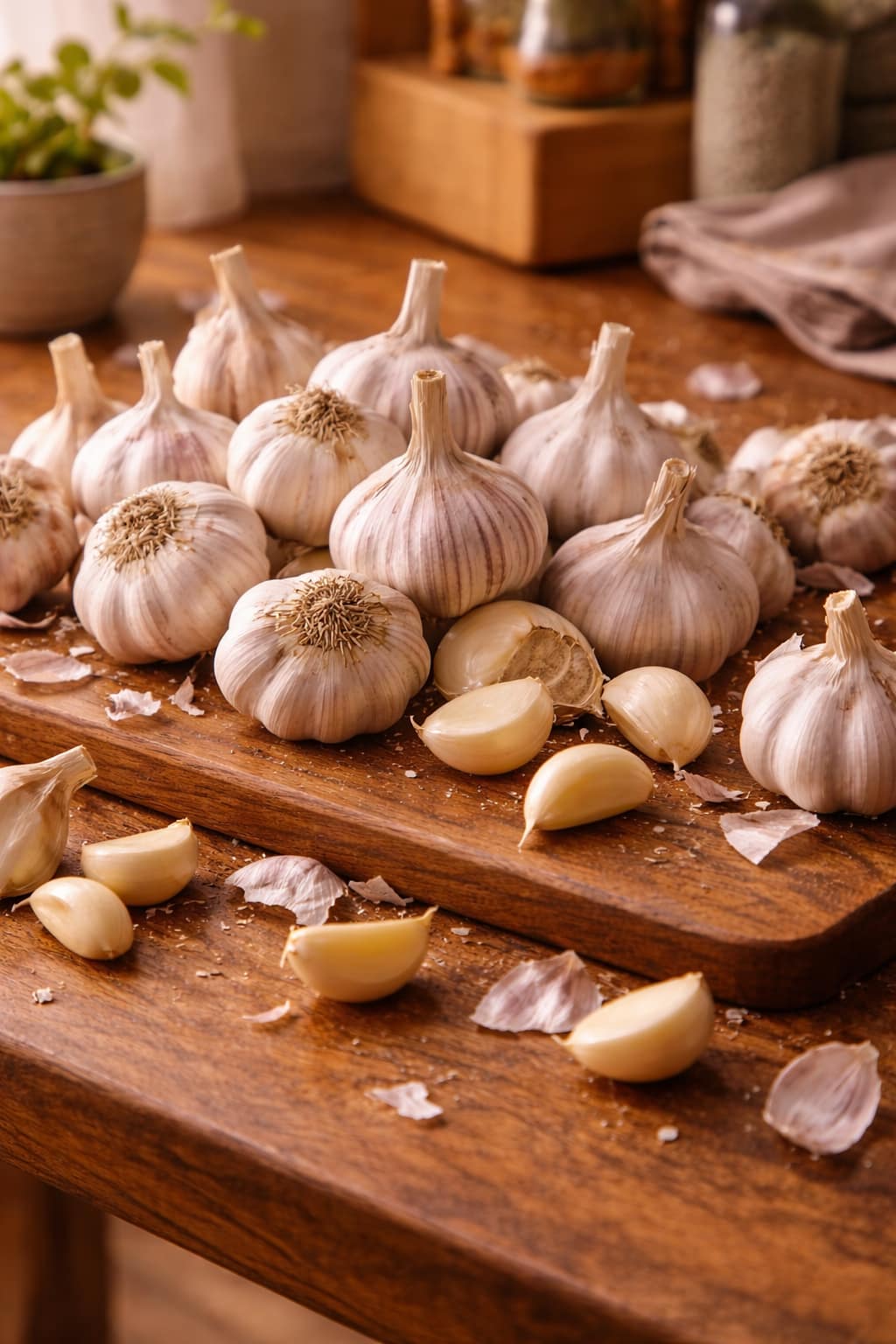
    Garlic is a common ingredient used in almost every Indian kitchen. It adds strong flavour, warmth, and aroma to daily meals. Many people also eat raw garlic for lifestyle benefits. But like any powerful food, having too much of it every day can create discomfort. Understanding the side effects of eating garlic daily helps you maintain balance.

    What Does Eating Garlic Daily Mean?

    Eating garlic daily means consuming raw or cooked garlic regularly as part of meals. Some people chew 1–2 cloves in the morning for energy, while others use garlic paste in curries, sabzis, and dals. While moderate use is normal, eating too much garlic can feel strong on the body.

    Benefits of Eating Garlic in Daily Life (In Moderation)

    Benefits of Eating Garlic in Daily Life (In Moderation)

    Garlic is popular because of its simple lifestyle advantages:

    • Adds Strong Flavour
      Garlic makes food tastier and more aromatic.
    • Warms the Body
      Traditionally, garlic is considered warming, especially in winter.
    • Helps Morning Routine
      Many people eat raw garlic for energy and freshness.
    • Improves Digestion
      Cooked garlic may help digestion feel smoother in daily life.
    • Used in Daily Cooking
      Garlic fits easily in dals, curries, chutneys, and tadkas.

    How and When to Use Garlic

    How and When to Use Garlic?

    Garlic can be added to food at different times during the day:

    Morning Use

    Some people prefer eating raw garlic on an empty stomach for energy. But raw garlic is strong, so small amounts work better.

    Lunch and Dinner

    Most people use garlic in cooked form — in sabzis, curries, soups, and tadkas.

    General Quantity

    • 1–2 cloves of raw garlic
    • A few cloves in cooking per dish
      Moderation keeps the taste balanced and prevents discomfort.

    Side Effects of Eating Garlic Daily

    Side Effects of Eating Garlic Daily

    Here are common lifestyle-related side effects if garlic is eaten in excess:

    1. Bad Breath and Body Odour

    Garlic has a strong smell. Eating too much raw garlic may cause noticeable breath or body odour.

    2. Digestive Burning or Acidity

    Raw garlic can feel harsh on the stomach and may cause burning or acidity for some people.

    3. Gas or Bloating

    Excess garlic may create gas or discomfort, especially if eaten late at night.

    4. Heat in the Body (Traditional Belief)

    Garlic is considered warming in Ayurveda. Too much of it may make you feel hot during summer.

    5. Mouth or Throat Irritation

    Chewing too much raw garlic may irritate the throat, tongue, or mouth.

    Real-Life Examples or Traditional Uses

    • In Indian kitchens, garlic is used daily in tadka for flavour and warmth.
    • During winter, many families increase garlic in food for comfort.
    • Elders sometimes recommend garlic with honey for morning energy.
    • People avoid too much garlic before social events due to its strong smell.
    • Some communities avoid garlic during fasting because it is considered heat-producing.

    Conclusion

    Garlic is a flavourful and powerful ingredient used in everyday cooking. It supports digestion, adds warmth, and brings aroma to meals. But eating too much garlic daily — especially raw — may cause bad breath, acidity, and discomfort. The key is using it in moderation for a balanced lifestyle.

    Frequently Asked Questions

    Q1. Can we eat garlic at night?

    Yes, you can eat garlic at night, but raw garlic may feel heavy or cause acidity for some people. Cooked garlic used in dinner dishes is usually more comfortable to digest.

    Q2. Can I eat garlic daily?

    Yes, garlic can be eaten daily in moderate amounts. Most people consume it as part of cooked meals rather than eating large amounts of raw garlic.

    Q3. Is garlic good for skin, energy, or digestion naturally?

    Garlic may help indirectly. It is traditionally known for warming the body, supporting digestion, and providing energy when eaten in small, balanced quantities.

  • Is It Bad to Drink Milk After Eating Fish?

    Is It Bad to Drink Milk After Eating Fish?

    What Does It Mean to Drink Milk After Eating Fish 

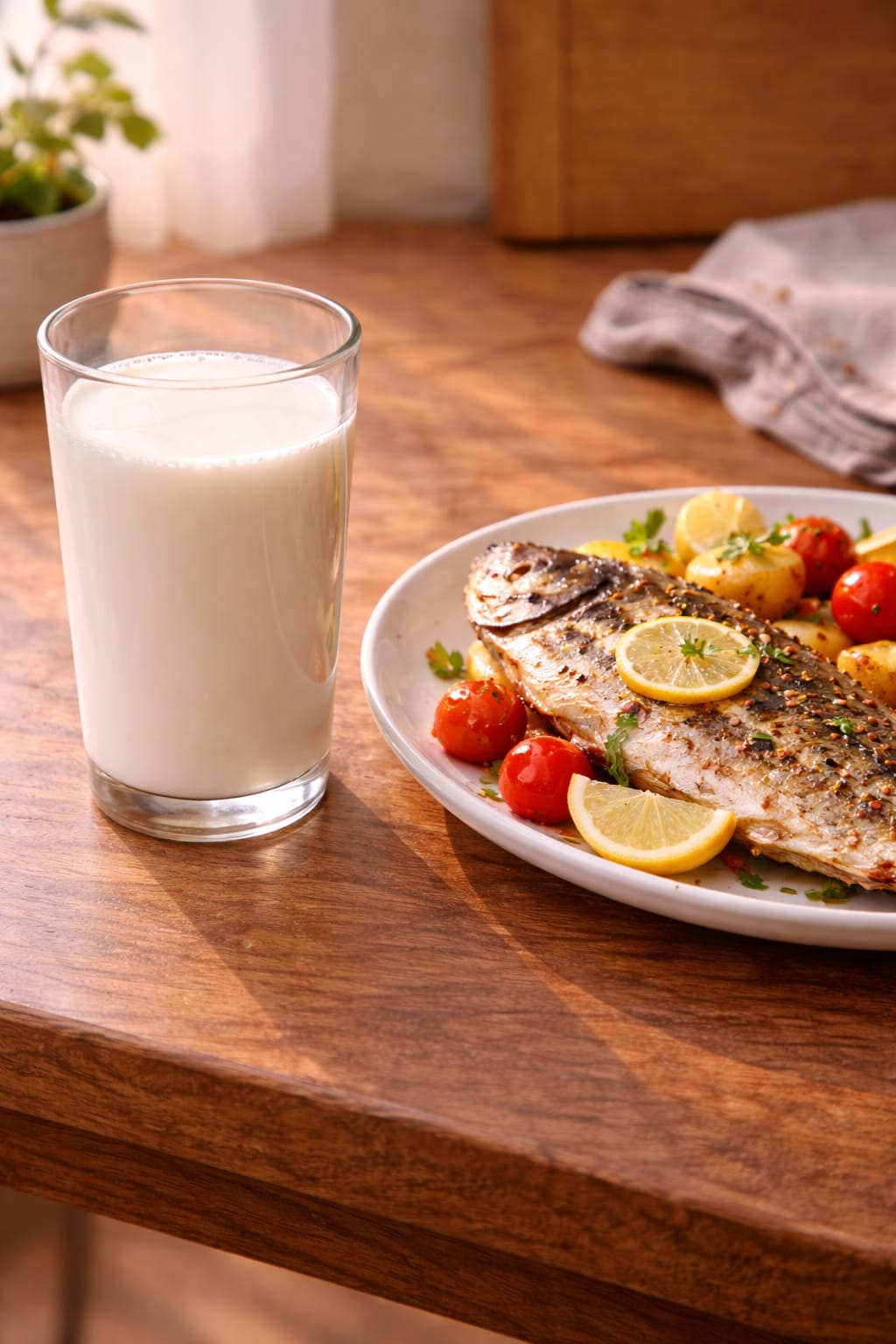
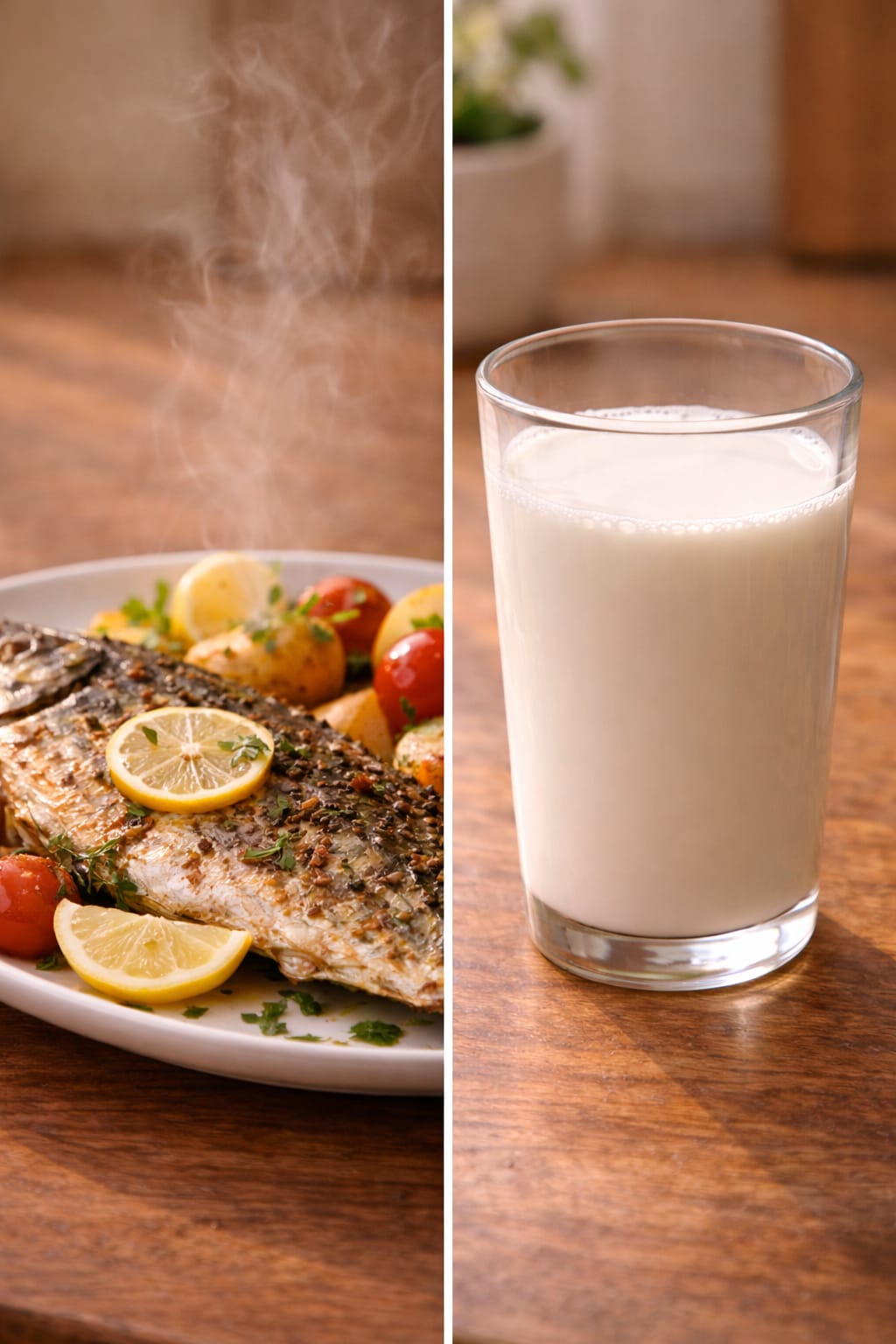
    In many Indian households, there is a long-standing belief that drinking milk after eating fish is not good for the body. People often avoid this combination due to traditional reasons. Understanding the simple lifestyle logic behind milk after eating fish side effects can help you decide what suits your routine.

    What Does It Mean to Drink Milk After Eating Fish?

    Drinking milk after eating fish means having milk, milk-based sweets, or milk drinks soon after a fish meal. Some people do it unknowingly, while others avoid it due to traditional beliefs. This food combination is often discussed because milk is cooling in nature, whereas fish is considered warmer.

    Benefits of Milk and Fish (When Consumed Separately)

    Benefits of Milk and Fish (When Consumed Separately)

    Both milk and fish have their own everyday lifestyle benefits, especially when consumed at the right time:

    • Steady Energy
      Milk and fish both provide long-lasting energy when taken as part of daily meals.
    • Good for Daily Nourishment
      Milk gives warmth and comfort, while fish provides a filling meal.
    • Easy to Include in Meals
      Milk fits well in breakfast or night routines, while fish works well in lunch or dinner.
    • Helps Maintain a Balanced Diet
      Consuming them separately allows you to enjoy both without discomfort.

    How and When to Consume Milk or Fish

    How and When to Consume Milk or Fish?

    To avoid discomfort, people generally space these two foods apart.

    Milk Timing

    Milk is usually consumed at:

    • Night, for comfort and relaxation
    • Morning, with breakfast
    • Evening, as a light drink

    Fish Timing

    Fish is usually eaten during:

    • Lunch, when digestion is stronger
    • Dinner, in small portions

    Gap Between Fish and Milk

    Most households prefer keeping a 3–4 hour gap when consuming both foods on the same day. This is a traditional practice to avoid heaviness or digestive discomfort.

    Side Effects of Milk After Eating Fish

    These are common traditional or lifestyle-based concerns:

    1. Digestive Discomfort

    Fish is heavy for some people. Drinking milk immediately afterward may add to the heaviness.

    2. Conflicting Nature

    In many cultures, milk is considered cooling, while fish is warming. Combining hot and cold foods may cause uneasiness for some.

    3. Bloating or Fullness

    Having two rich foods together can make you feel overly full.

    4. Slower Digestion

    Both foods take time to digest. Eating them too close together may feel uncomfortable.

    5. Mucus Formation 

    Milk may increase mucus in some people. Combining it with certain foods may feel uncomfortable, especially in winter.

    These are everyday lifestyle observations, not medical concerns.

    Real-Life Examples or Traditional Uses

    Real-Life Examples or Traditional Uses

    • In Indian households, elders often advise not to mix milk and fish in the same meal.
    • Many people enjoy milk at night and fish during the day, keeping a natural gap.
    • Some coastal families eat fish regularly but still avoid milk immediately afterward.
    • This practice is followed more for comfort and digestion than strict rules.

    Conclusion:

    Milk and fish are both nutritious parts of many diets. The concern begins only when they are eaten together. To avoid minor discomfort, most people follow the simple rule of keeping a few hours of gap between the two. This keeps your routine easy, balanced, and comfortable.

    Frequently Asked Questions

    Q1. Can we drink milk at night after eating fish in the evening?

    Yes, you can drink milk at night after eating fish, but many people prefer to keep a gap of a few hours between the two. This helps avoid heaviness and follows traditional practices for better comfort.

    Q2. Can I eat fish and milk daily?

    Yes, you can include both fish and milk in your daily routine, as long as you do not consume them together. Most people eat fish during lunch or dinner and have milk in the morning or at night.

    Q3. Is the fish–milk combination harmful for skin, digestion, or energy?

    Traditionally, people believe that eating fish and milk together may cause discomfort, though nothing major for most individuals. Keeping them separate may help support smooth digestion and comfortable energy levels.

  • Can We Eat Banana at Night? Benefits & Side Effects

    Can We Eat Banana at Night? Benefits & Side Effects

    What Do We Mean by Eating Banana at Night

    Banana is one of the most common and affordable fruits in India. It is easy to digest, naturally sweet, and available in all seasons. Many people enjoy it any time of the day, but a common doubt is whether eating banana at night is good or not. Understanding the side effects of eating banana at night can help you make a better daily routine.

    What Do We Mean by Eating Banana at Night?

    Eating a banana at night simply means having it after dinner or close to bedtime. Some people have it as a light snack when they feel hungry late at night. While banana is gentle and filling, the timing may affect how comfortable you feel after eating it.

    Benefits of Eating Banana in Daily Life

    Bananas are popular for everyday use because they offer simple lifestyle advantages:

    • Instant Energy
      Banana is naturally sweet and may give quick energy after a long day.
    • Good for Hydration
      The fruit contains natural moisture, helping you feel refreshed.
    • Supports Digestion
      Many people find banana soothing for the stomach due to its soft texture.
    • Helps in a Busy Routine
      Banana is easy to carry and eat on the go, making it perfect for school, office, or travel.
    • Night Hunger Relief
      If you feel hungry before sleep, banana is one of the lightest options to choose.

    How and When to Eat Banana

    How and When to Eat Banana?

    Banana fits well into different parts of your daily routine:

    Morning Use

    Having a banana in the morning may give steady energy. Many people pair it with breakfast or smoothies.

    After Meals

    Banana can be eaten after meals when you want a light and sweet finish.

    Night Time

    You can eat banana at night if you feel hungry, but keep the quantity small and avoid it right before lying down.

    General Quantity

    • 1 medium banana is usually comfortable for most people.
    • Overripe bananas feel heavier; fresh yellow bananas are easier on the stomach.

    Side Effects of Eating a Banana at Night

    Side Effects of Eating a Banana at Night

    Here are the common everyday side effects when bananas are eaten late at night:

    1. Feeling Heavy or Bloated

    Bananas may feel slightly heavy if eaten close to bedtime, especially after a full dinner.

    2. Extra Mucus (Traditional Belief)

    In some Indian households, it is believed that banana at night may increase cold or mucus. This is not proven, but many people follow this tradition.

    3. Slower Digestion

    Eating any fruit right before sleeping may not feel comfortable for everyone.

    4. Sleepiness After Eating

    Bananas may make you feel relaxed and sleepy, which is fine unless you need to stay active.

    5. Late-Night Sugar Intake

    Banana is naturally sweet. If you’re watching your sugar intake, avoid eating it too late.

    Real-Life Examples or Traditional Uses

    Real-Life Examples or Traditional Uses

    • Parents often give bananas to children as an easy school snack.
    • Many people eat bananas during fasting for steady energy.
    • Athletes enjoy bananas before workouts for quick strength.
    • In Indian homes, banana is a part of fruit salads, prasad, and daily snacks.
    • Elders usually suggest avoiding banana late at night, especially in winter.

    Conclusion:

    Banana is a versatile fruit that suits busy mornings, mid-day hunger, and light snacks. Eating banana at night is generally fine if you keep the quantity small and avoid eating it right before sleeping. Listen to your body and choose the timing that feels comfortable.

    Frequently Asked Questions

    Q1. Can we eat banana at night?

    Yes, you can eat a banana at night if you feel hungry. Most people prefer having it at least 30–40 minutes before sleeping to avoid a heavy feeling. It’s better to avoid very ripe bananas late at night.

    Q2. Can I eat banana daily?

    Yes, many people eat bananas daily as part of their routine. One banana a day is usually comfortable and fits well into a balanced lifestyle.

    Q3. Is banana good for skin, energy, or digestion naturally?

    Bananas may help indirectly. Their natural sweetness and soft texture are commonly believed to support energy, hydration, and smoother digestion in everyday life.

  • Is Drinking Tea on an Empty Stomach Harmful?

    Is Drinking Tea on an Empty Stomach Harmful?

    What Happens When You Drink Tea on an Empty Stomach

    For many people, the day begins with a hot cup of tea. It brings energy, warmth, and a sense of comfort. But drinking tea first thing in the morning on an empty stomach can cause discomfort for some. Understanding the tea empty stomach side effects helps you build a better morning routine.

    What Happens When You Drink Tea on an Empty Stomach?

    Drinking tea without eating anything may feel harsh for some people. Tea contains natural compounds and caffeine that can be strong on an empty stomach. This may lead to small lifestyle discomforts like acidity, irritation, or restlessness. Most people prefer taking tea after breakfast to avoid these issues.

    Benefits of Tea in Daily Life (When Consumed the Right Way)

    Benefits of Tea in Daily Life (When Consumed the Right Way)

    Even though tea can feel strong on an empty stomach, it has many lifestyle benefits when enjoyed properly:

    • Boosts Morning Energy
      Tea may help you feel active and fresh during the day.
    • Helps You Relax
      A warm cup in the evening is soothing and calming.
    • Supports Daily Hydration
      Light tea can be part of your regular fluid intake.
    • Comfort Drink During Winters
      Tea brings warmth and comfort in cold weather.

    Tea is not the problem — timing and quantity matter the most.

    How and When Should You Drink Tea

    How and When Should You Drink Tea?

    Most people enjoy tea in specific parts of the day for comfort and energy. Here’s how you can use it:

    Morning Time (After Light Food)

    Many people prefer tea after breakfast or after a light snack. This helps prevent acidity or discomfort.

    Afternoon Tea

    A common routine in Indian homes. Helps you relax during the mid-day slump.

    Evening Tea

    A warm and refreshing break after work. Keep the quantity small if you sleep early.

    General Quantity

    • 1–2 cups a day is usually comfortable for most people.
    • Choose lighter tea if you feel sensitive to strong tea.

    Side Effects of Drinking Tea on an Empty Stomach

    Side Effects of Drinking Tea on an Empty Stomach

    Here are some general lifestyle side effects that people commonly experience:

    1. Acidity and Burning Feeling

    Tea may feel acidic without food, making your stomach uncomfortable.

    2. Irritation or Restlessness

    Caffeine on an empty stomach may cause mild shakiness or irritation.

    3. Nausea or Uneasiness

    Some people feel a slight sick feeling when they drink strong tea first thing in the morning.

    4. Hunger Pangs

    Tea may suppress appetite for some time but lead to stronger hunger later.

    5. Dehydration

    Tea is mildly dehydrating, so drinking it without water may cause dry mouth or thirst.

    Real-Life Examples or Traditional Uses

    • In Indian households, tea is usually taken after breakfast, not before.
    • Many families enjoy evening chai with light snacks like biscuits or namkeen.
    • Some people use ginger tea or masala chai in winter for warmth.
    • Elders often suggest eating something small before drinking tea to avoid acidity.

    Conclusion

    Tea is an everyday comfort drink loved across India. But drinking it on an empty stomach may cause acidity, irritation, or restlessness for some people. The best approach is enjoying tea after light food, during mid-day, or in the evening for a balanced lifestyle.

    Frequently Asked Questions

    Q1. Can we drink tea at night?

    Yes, you can drink tea at night, but it’s best to choose a light tea and avoid strong chai. Many people prefer herbal or caffeine-free teas at night so they can sleep comfortably.

    Q2. Can I drink tea daily?

    Yes, drinking tea daily is a common habit. Most people limit their intake to 1–2 cups a day to avoid restlessness or dehydration.

    Q3. Is tea good for skin, digestion, or energy naturally?

    Tea may help indirectly. Warm tea is often believed to refresh the body, support energy, and provide comfort. Drinking it at the right time and in moderation helps avoid digestive discomfort.

  • Side Effects of Eating Too Many Almonds

    Side Effects of Eating Too Many Almonds

    What Are the Side Effects of Eating Too Many Almonds

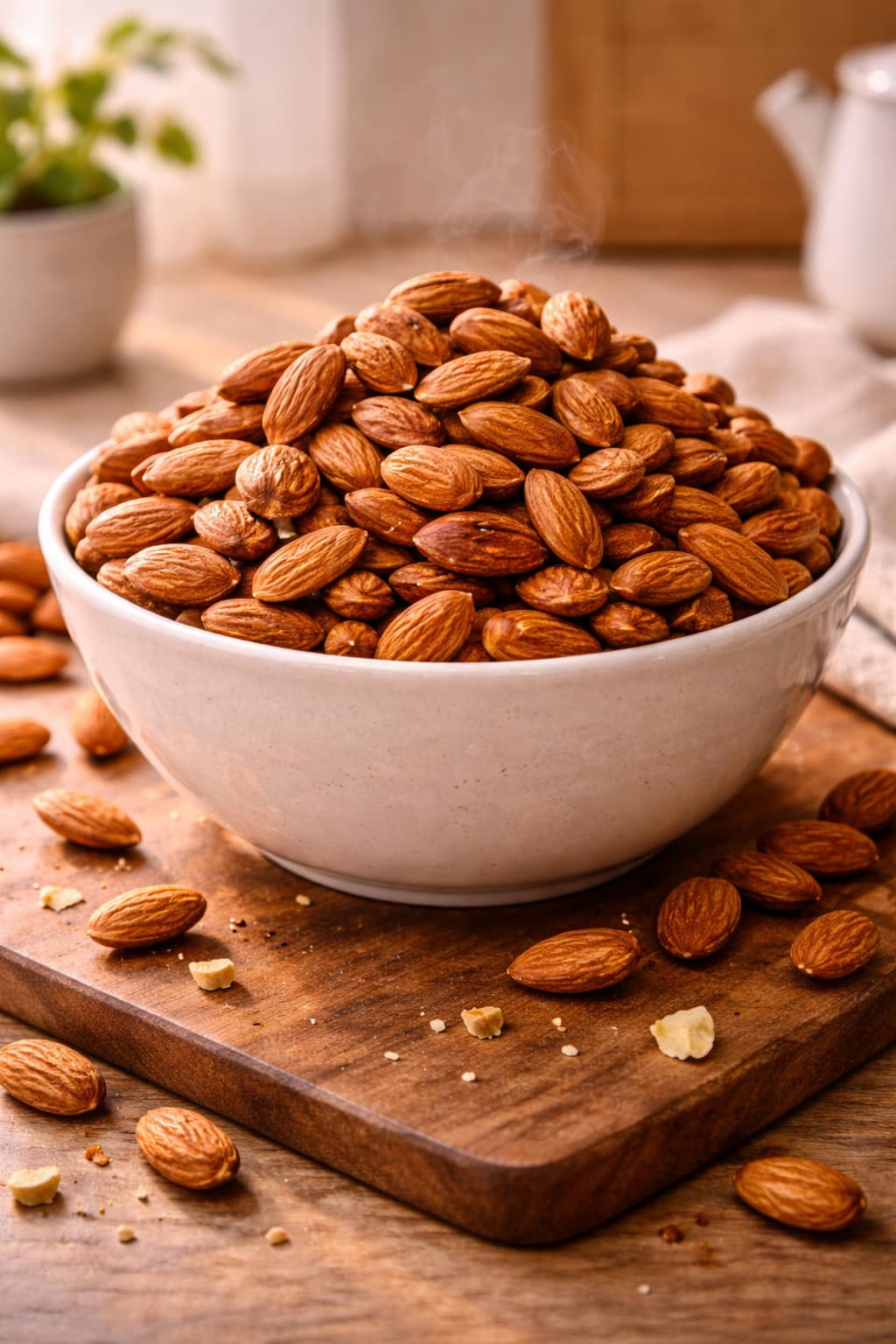
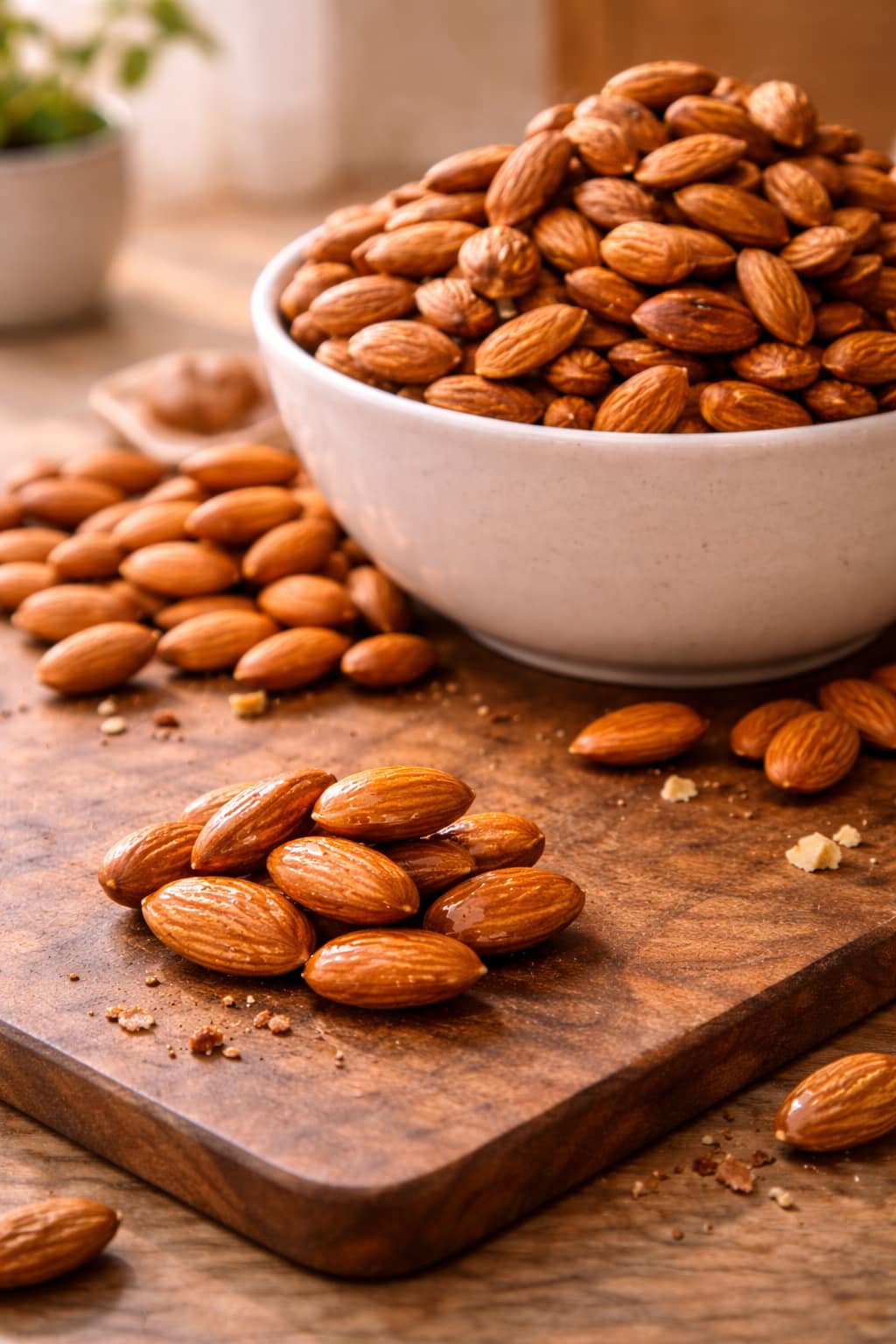
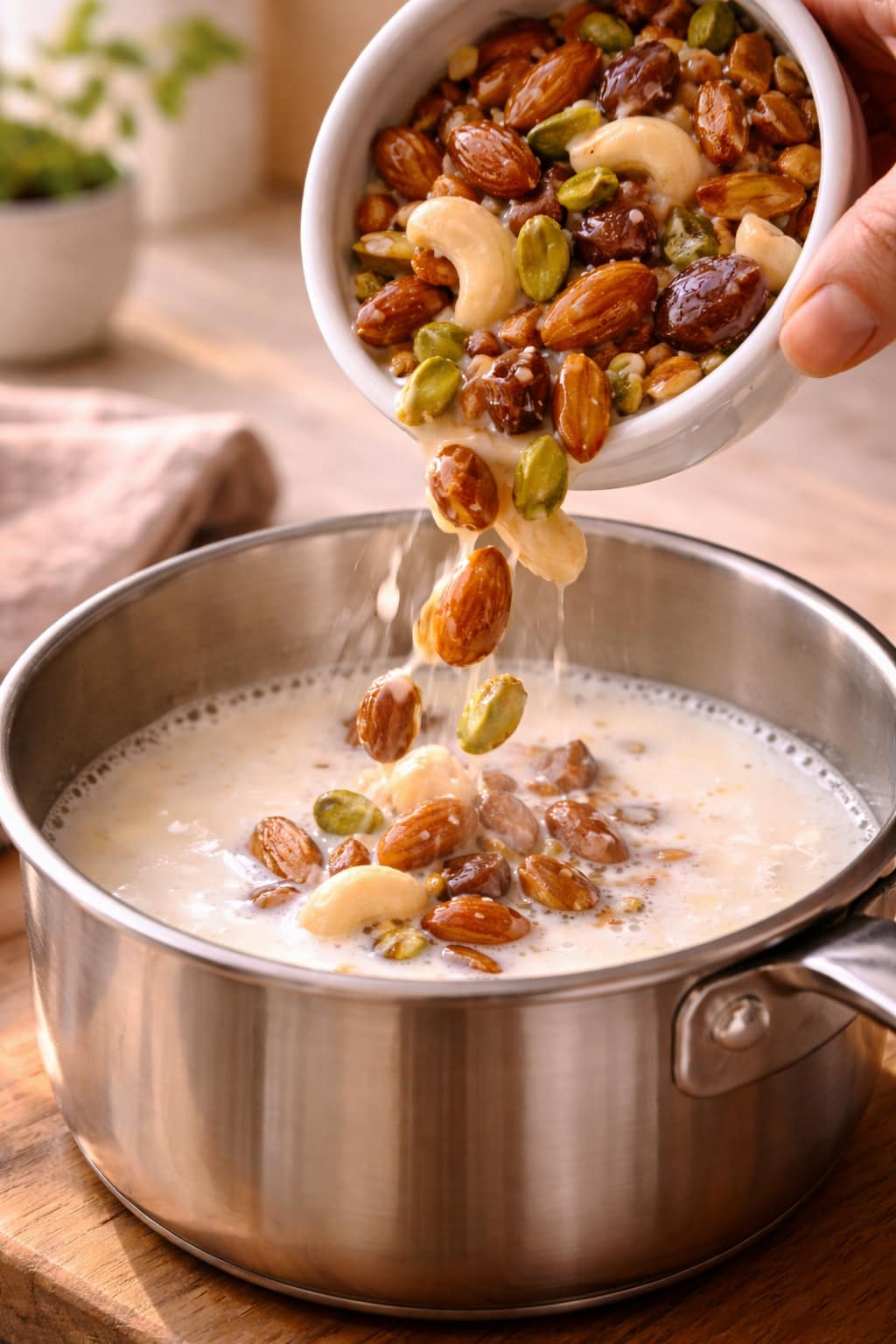
    Almonds are one of the most popular dry fruits enjoyed in Indian homes. They are crunchy, tasty, and commonly used for energy and daily nourishment. But like every food, eating them in excess can create small discomforts in daily life. Understanding the side effects of almonds helps you enjoy them in the right quantity.
    What Are the Side Effects of Eating Too Many Almonds?

    Eating almonds in moderation is a healthy everyday habit, but consuming too many can feel heavy for some people. Almonds contain natural oils, fibre, and dense nutrition, so overconsumption may cause discomfort such as heaviness or slow digestion. Most people eat them soaked or roasted in small quantities for balance.

    Benefits of Eating Almonds in Daily Life

    Benefits of Eating Almonds in Daily Life 

    Before understanding the side effects, it helps to know why almonds are widely loved in everyday routines:

    • Natural Energy Source
      Almonds may give steady energy, especially when eaten in the morning.
    • Better Digestion Support
      Soaked almonds are generally believed to be easier to digest.
    • Good for Winter Routine
      Almonds provide warmth and richness, making them popular in winter drinks and sweets.
    • Skin and Hair Support
      Almonds contain natural oils, which many people associate with freshness and glow.

    The key is balance. Eating almonds in the right amount works well for most people.

    How Many Almonds to Eat in a Day? 

    The quantity of almonds depends on personal comfort.
    Most people prefer:

    • 4–7 soaked almonds in the morning
    • Roasted almonds as a small evening snack
    • Almonds mixed in milk, sweets, or breakfast

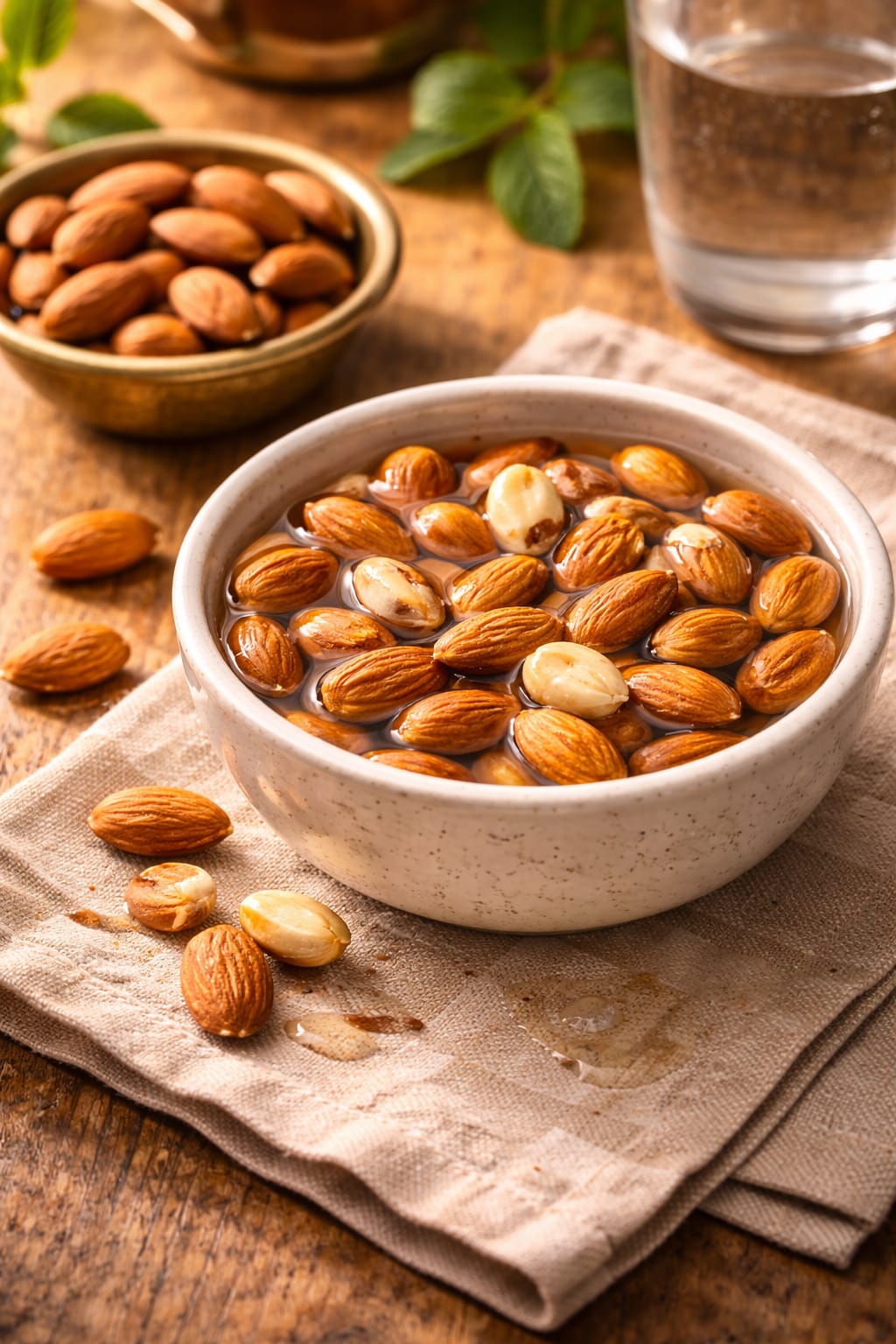
    Soaking almonds overnight is a common Indian practice because it makes the nut softer and easier to chew.

    Side Effects of Almonds What to Keep in Mind

    Side Effects of Almonds: What to Keep in Mind

    Here are some general everyday side effects that may appear when almonds are eaten in excess:

    1. Digestive Heaviness

    Too many almonds may feel heavy on the stomach because of their natural fibre and oils. This can make some people feel bloated.

    2. Feeling Overfull

    Almonds are dense and filling. Eating too many at once may reduce your hunger for proper meals.

    3. Slow Digestion

    Raw almonds can sometimes feel difficult to digest for some people. Soaked almonds usually feel lighter.

    4. Extra Body Heat (According to Tradition)

    In many Indian households, almonds are believed to increase body heat. Eating them in excess during summer may cause discomfort.

    5. Excess Calories

    Since almonds are calorie-rich, eating too many can affect your overall daily intake if you are watching your weight.

    Real-Life Examples or Traditional Uses

    Real-Life Examples or Traditional Uses

    • In Indian families, elders usually recommend soaking almonds overnight to reduce heaviness.
    • Almonds are commonly used in winter drinks, sweets, and festive recipes.
    • Many people give children almonds before school for morning energy.
    • Almond paste or almond milk is often used for traditional glow remedies.

    Conclusion

    Almonds are a wonderful part of everyday eating when enjoyed in the right amount. They offer energy, warmth, and natural richness, especially in winter. Just remember that eating too many can cause heaviness or discomfort, so moderation is the best approach.

    Frequently Asked Questions

    Q1. Can we eat almonds at night?

    Yes, you can eat a few almonds at night. Many people prefer soaked or lightly roasted almonds because they feel lighter on the stomach. Avoid eating too many before bedtime to prevent heaviness.

    Q2. Can I eat almonds daily?

    Yes, almonds are commonly eaten daily in small quantities. Eating about 4–7 almonds in the morning is a popular habit in many Indian households.

    Q3. Are almonds good for skin, energy, or digestion naturally?

    Almonds may help indirectly. Their natural oils, fibre, and overall richness are often associated with better skin glow, steady energy, and smoother digestion when eaten in moderation.

  • Dry Fruits Milk Recipe for Winter Energy

    Dry Fruits Milk Recipe for Winter Energy

    What is Dry Fruits Milk

    Dry fruits milk is one of the most comforting winter drinks enjoyed in many Indian homes. It is warm, creamy, and naturally energising because of the mix of nuts and milk. Most people prefer it during cold weather when the body needs extra warmth and steady energy.

    What is Dry Fruits Milk?

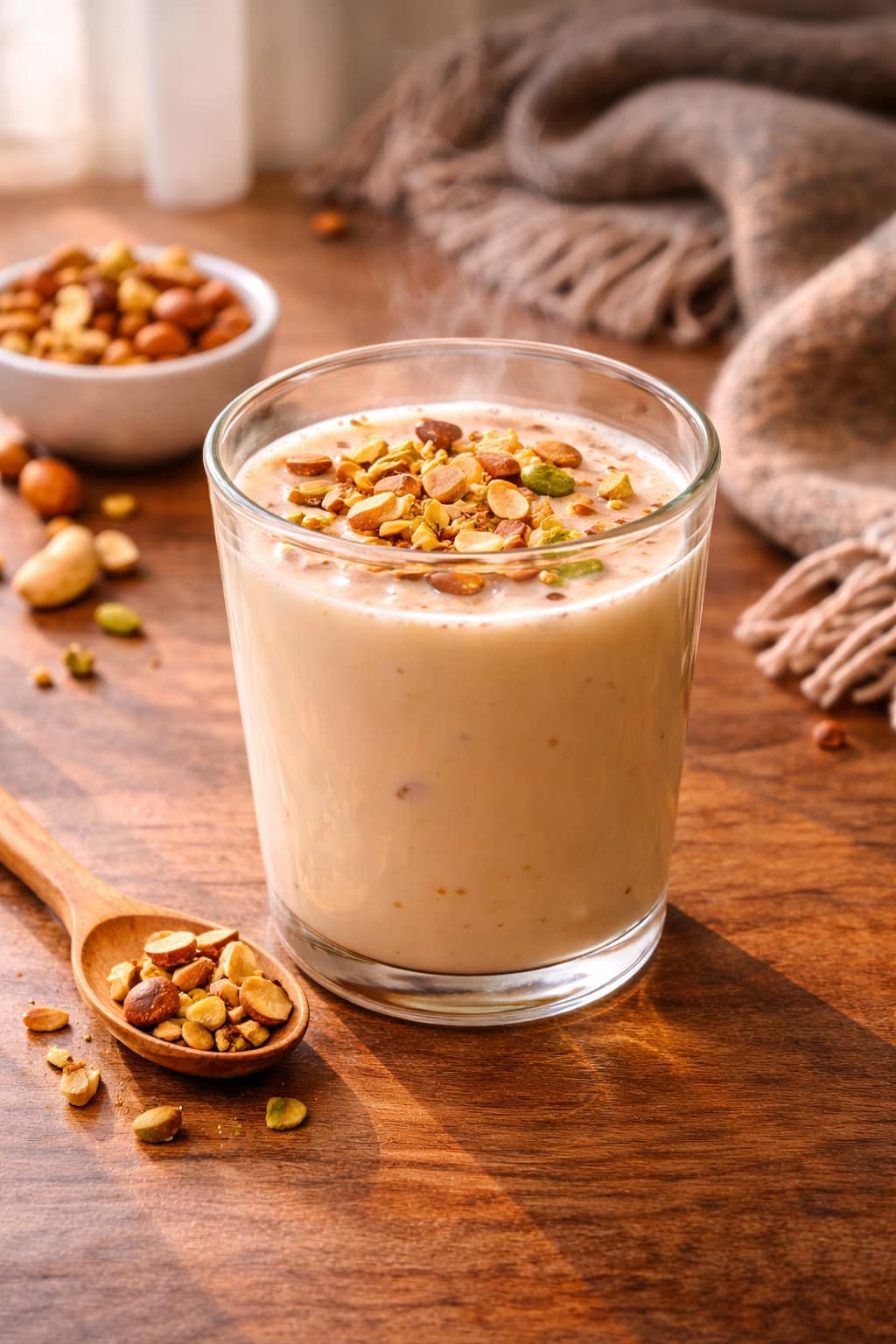
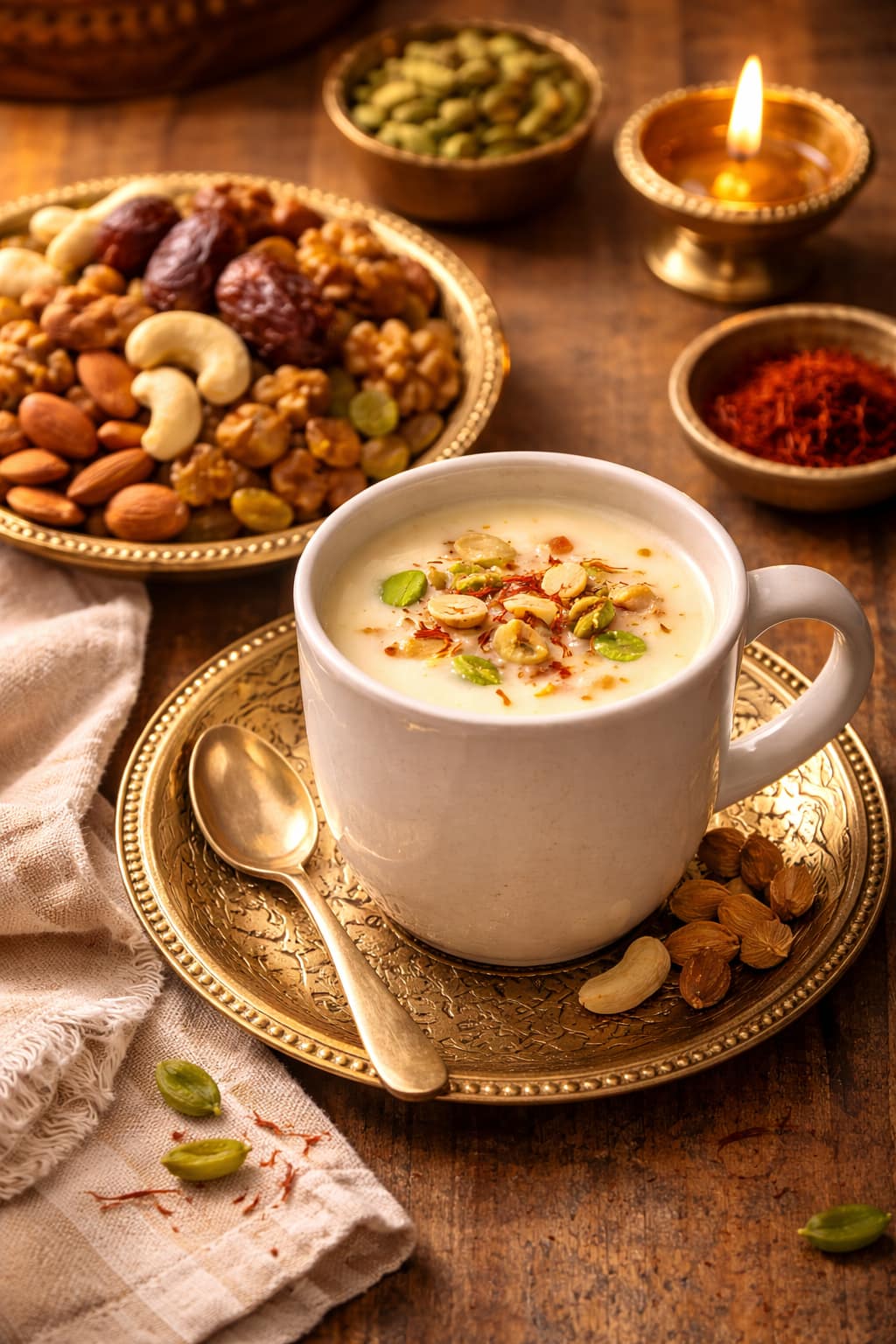
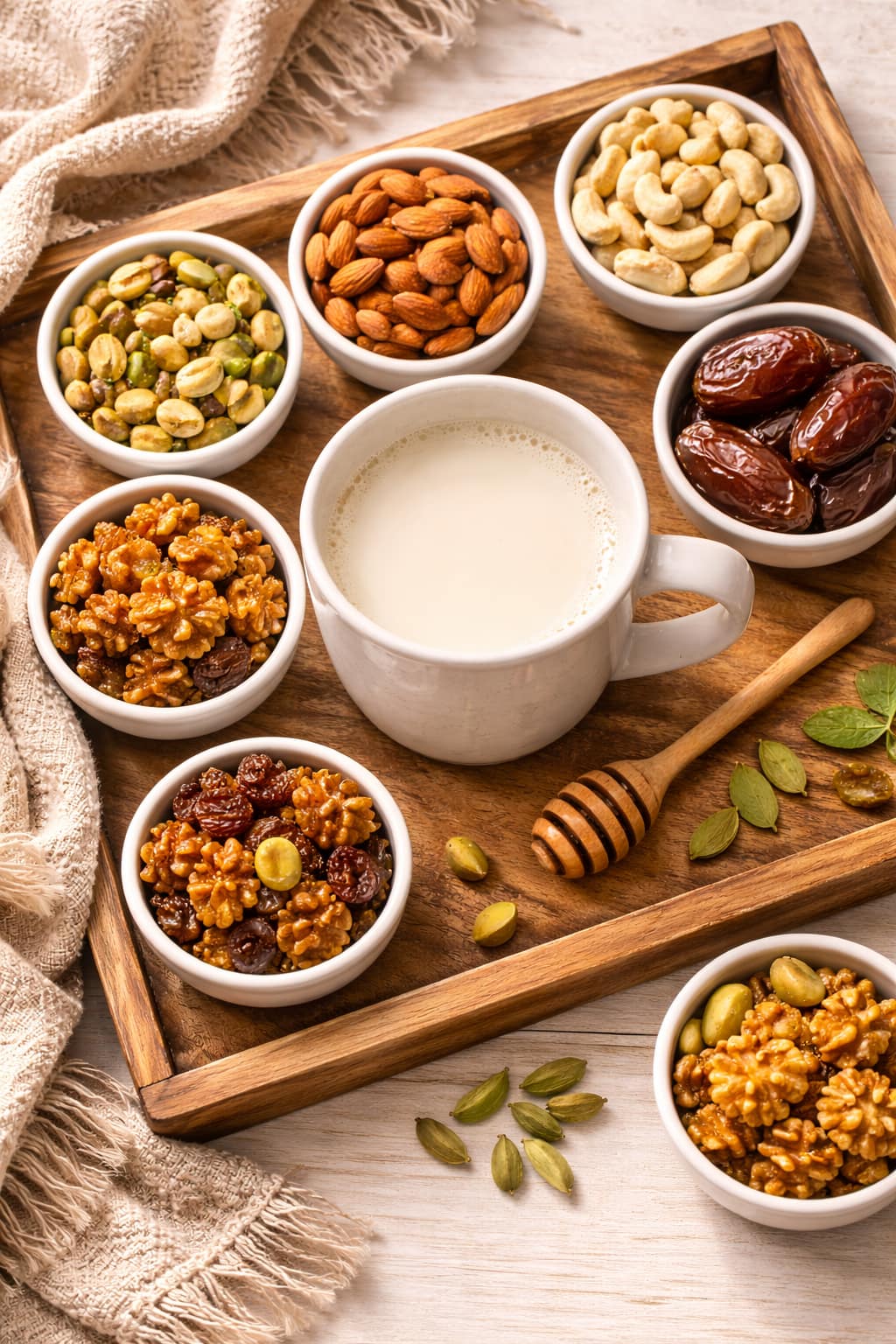
    Dry fruits milk is a simple drink made by blending warm milk with soaked nuts like almonds, cashews, pistachios, dates, or walnuts. It is usually served hot during winter evenings or mornings. This drink is known for its rich taste, smooth texture, and traditional use for warmth and energy.

    Benefits of Dry Fruits Milk in Daily Life

    Benefits of Dry Fruits Milk in Daily Life

    Below are some of the common dry fruits milk benefits winter enthusiasts enjoy in their daily routine:

    1. Winter Energy Boost
      A warm glass of dry fruits milk may help you feel active on cold days. Nuts provide natural energy that can support your daily routine.
    2. Warmth and Comfort
      Warm milk combined with dry fruits is generally believed to keep the body comfortable during chilly mornings and nights.
    3. Better Digestion Support
      Many people prefer this drink after meals or at night because warm milk may help the stomach feel relaxed.
    4. Natural Sweetness and Satisfaction
      Dates and raisins add natural sweetness, making the drink soothing without needing extra sugar.
    5. Daily Nourishment
      Dry fruits contain natural oils and richness that may help you feel fuller and more satisfied during winter.

    How and When to Use It

    How and When to Use It?

    Dry fruits milk fits easily into a winter lifestyle. Here’s how you can include it:

    Morning Use

    • A small glass in the morning may give steady energy for daily activities.
    • Helps you start the day with warmth and comfort.

    Evening Use (Most Preferred)

    • Many people drink it in the evening to relax after a long day.
    • Works well as a cozy drink when the weather is cold.

    Quantity Guide

    • A small to medium cup is usually enough.
    • Use 5–6 mixed nuts and 1–2 dates for one serving.

    Simple Recipe

    1. Soak almonds, cashews, pistachios, and dates for 1–2 hours.
    2. Blend them into a smooth paste.
    3. Boil milk, mix in the paste, and simmer for 3–4 minutes.
    4. Add a pinch of cardamom for flavour.
    5. Serve hot.

    Side Effects or Things to Keep in Mind

    Side Effects or Things to Keep in Mind

    • Avoid adding too many nuts; the drink can become too heavy.
    • People who prefer lighter drinks can use fewer nuts.
    • Use warm milk, not extremely hot milk, for better taste.
    • If you have any discomfort after drinking, reduce the quantity.

    Real-Life Examples or Traditional Uses

    Dry fruits milk is commonly prepared in Indian households during winter.

    • It is often served to children during exam season for steady energy.
    • Many families enjoy it during festivals or cold evenings.
    • In traditional kitchens, this drink is considered a warming winter treat for both taste and comfort.

    Conclusion

    Dry fruits milk is a simple, warm, and energising winter drink that blends tradition with comfort. It may help you stay active, feel warm, and enjoy natural sweetness during cold days. Morning and evening are the best times to include it in your lifestyle.

    Frequently Asked Questions

    Q1. Can we drink dry fruits milk at night?

    Yes, you can drink dry fruits milk at night. Many people prefer it as a warm and soothing winter drink before sleeping. Just keep the quantity moderate so it feels comfortable.

    Q2. Can I drink dry fruits milk daily?

    Yes, you can enjoy dry fruits milk daily, especially during winter. Most people have a small cup either in the morning or in the evening as part of their routine.

    Q3. Is dry fruits milk good for skin, energy, or digestion naturally?

    It may help indirectly. Warm milk combined with nuts is commonly believed to support energy, hydration, and skin freshness, particularly in cold weather.

  • Benefits of Drinking Warm Water with Honey Daily

    What is Warm Water with Honey 

    Warm water mixed with a spoon of honey is a simple everyday drink many people enjoy in the morning. It’s easy to prepare, soothing, and often used as a gentle lifestyle habit to start the day. In daily life, this drink is linked with hydration, freshness, and a relaxed morning routine.

    What is Warm Water with Honey?

    Warm water with honey is a simple drink made by stirring natural honey into mildly warm water. Most people drink it early in the morning or at night as part of their daily routine. It’s known for its comforting taste, quick preparation, and use in many traditional households.

    Benefits of Warm Water with Honey in Daily Life

    Benefits of Warm Water with Honey in Daily Life

    Here are some common warm water with honey benefits people experience in everyday routine:

    1. Gentle Digestion Support
      Many people enjoy this drink in the morning because warm water may help the stomach feel relaxed. Honey adds a light sweetness and may support smoother daily digestion.
    2. Morning Hydration Boost
      After long sleeping hours, a warm drink can help you feel refreshed. Honey water may encourage people to drink more fluids and stay hydrated.
    3. Energy and Freshness
      Honey contains natural sweetness that may give mild energy to start the day. Most people feel this drink helps them wake up calmly.
    4. Better Daily Routine
      Drinking something warm in the morning can create a peaceful habit. It’s a simple ritual that can set a positive tone for the rest of the day.
    5. Skin Glow Support
      Good hydration and warm fluids are generally believed to help the skin look fresher. Many people include honey water as part of their natural glow routine.

    How and When to Use It

    How and When to Use It?

    Many people like warm water with honey because it fits easily into different parts of the day. Here’s how you can include it:

    Morning (most preferred)

    • Drinking it on an empty stomach may make you feel light and refreshed.
    • 1 teaspoon of honey in a glass of warm water is commonly used.

    Before Meals

    • Some prefer it 20–30 minutes before meals as a gentle drink for the stomach.

    Night Time

    • Warm honey water at night may help you unwind after a long day.

    General Tips

    • Ensure the water is warm, not hot (to keep honey’s natural taste intact).
    • Use good-quality honey for best experience.

    Side Effects or Things to Keep in Mind

    Side Effects or Things to Keep in Mind

    • Do not mix honey in very hot water.
    • Keep the quantity moderate; 1 teaspoon is generally enough.
    • If you have any health condition or special diet restrictions, follow what suits your body.
    • Avoid overconsumption—keeping it simple is better in daily life.
    Real-Life Examples or Traditional Uses

    Warm water with honey is widely used in Indian homes as a part of morning routines.

    • Many people drink it during seasonal changes for comfort.
    • It is also commonly used in yoga and wellness practices as a soothing start to the day.
    • In traditional kitchens, honey is often added to warm drinks for natural flavour and gentle sweetness.

    Conclusion

    Drinking warm water with honey is a simple lifestyle habit that can bring freshness to your day. It may support hydration, help you feel lighter in the morning, and become a comforting part of your daily routine. Most people prefer it early in the morning, but you can drink it anytime based on your comfort.


    Frequently Asked Questions

    Q1. Can we drink warm water with honey at night?

    Yes, you can drink warm water with honey at night. Many people find it helps them relax and unwind before bed. Just keep the drink light and comfortably warm.

    Q2. Can I drink warm water with honey daily?

    Yes, most people use warm water with honey daily as a simple lifestyle habit. It is easy to prepare and fits well into both morning and nighttime routines.

    Q3. Is warm water with honey good for skin, energy, or digestion?

    It may help indirectly. Proper hydration, natural sweetness, and warm fluids are commonly believed to support skin freshness, gentle energy, and smoother daily digestion.

  • Jeera Water Benefits When Taken Early Morning

    Jeera Water Benefits When Taken Early Morning

    What Is Jeera Water

    Jeera (cumin) is one of the most common ingredients in every Indian kitchen. For generations, people have used jeera water as a simple morning drink for digestion, gas relief, and overall freshness.

    In this article, we explore the jeera water benefits in morning, how to drink it, the best timing, lifestyle examples, and precautions—all in simple, practical language.

    What Is Jeera Water?

    Jeera water is made by soaking or boiling cumin seeds in water. The water absorbs the flavour and natural properties of cumin, creating a warm, mildly earthy drink.
    It is commonly consumed as:

    • Warm jeera water
    • Overnight-soaked jeera water
    • Light simmered jeera tea

    This drink is popular in Indian households for digestion and morning comfort.

    Benefits of Jeera Water in Morning

    Benefits of Jeera Water in Morning

    Below are the most common lifestyle benefits people experience when they drink jeera water in the morning:

    1. Helps Reduce Morning Bloating

    Warm jeera water may help ease gas and heaviness, especially after a heavy dinner.

    2. Supports Better Digestion

    Cumin is traditionally used in Indian cooking to support digestion. Drinking it in the morning may help your stomach feel lighter.

    3. Good for Hydration

    Jeera water naturally encourages you to start your day with warm hydration, which helps your body wake up.

    4. May Support Skin Glow

    Many people notice better digestion and hydration when they drink jeera water regularly, which indirectly supports natural skin glow.

    5. Helps Improve Morning Energy

    A warm drink in the morning can make you feel calm, fresh, and energised.

    6. Easy on the Stomach

    Jeera water is mild, soothing, and suitable for kids and elders.

    7. Supports Natural Detox Feel

    In many Indian homes, jeera water is used to flush out heaviness from the previous day.

    How and When to Drink Jeera Water

    How and When to Drink Jeera Water? 

    Best Time

    • Early morning on an empty stomach
    • 20 minutes before breakfast
    • Before a morning walk or yoga session

    How to Make Jeera Water

    Method 1: Boiled Jeera Water

    • Boil 1 teaspoon jeera in 1 glass water
    • Strain and drink warm

    Method 2: Overnight-Soaked Jeera Water

    • Soak 1 teaspoon jeera in water overnight
    • Drink the water next morning

    General Quantity

    1 glass (200–250 ml) is enough for daily use.

    Avoid drinking several glasses as it may feel strong.

    Side Effects or Things to Keep in Mind

    Side Effects or Things to Keep in Mind

    These points are general lifestyle considerations:

    • Drinking very strong jeera water may cause acidity for some people.
    • Avoid too much jeera if you feel heat in the body.
    • Always drink jeera water warm, not boiling hot.
    • People with sensitive stomachs may prefer soaked-jeera water version.
    • Do not mix jeera water with too many other spices in the morning.

    These are not medical warnings—just everyday tips.

    Real-Life Examples & Traditional Uses

    In Indian Homes

    • Jeera water is often given after heavy meals.
    • Elderly people drink it early morning for digestion.
    • New mothers are sometimes given jeera water for comfort (as per family traditions).
    • It is also used during festivals or occasions when heavy food is consumed.

    Seasonal Uses

    • Summer: Soaked jeera water feels cooling.
    • Winter: Warm jeera water is comforting.
    • Monsoon: Helps reduce gas and heaviness caused by fried foods.

    Cultural Uses

    Jeera is considered a traditional digestive spice in Indian households. It is found in kadha, chaas, sabzi, dal, and even raita.

    Conclusion

    Jeera water is one of the simplest and most traditional morning drinks in Indian homes. It supports light digestion, reduces heaviness, improves hydration, and may indirectly help with skin glow and morning energy.

    If you want a natural, easy, and affordable morning drink, jeera water is an excellent choice.

    Frequently Asked Questions

    Q1. Can we drink jeera water at night?

    Yes, you can drink jeera water at night if you feel heavy after dinner. However, most people prefer drinking it in the morning because it helps start the day with a light stomach and better hydration.

    Q2. Can I drink jeera water daily?

    Yes, jeera water can be consumed daily. You can start with one glass in the morning and observe how your body responds. Many families include it as part of their daily routine.

    Q3. Is jeera water good for digestion naturally?

    Yes, jeera has been traditionally used in Indian cooking to support digestion. Many people drink jeera water to help reduce bloating, gas, and stomach discomfort.

    Q4. Does jeera water help with glowing skin?

    Indirectly, yes. When digestion improves and hydration increases, your skin may appear fresher and more glowing. Jeera water supports natural digestion and hydration, which can reflect positively on the skin.

    Q5. Is boiled jeera water or soaked jeera water better?

    Both are beneficial—choose based on your comfort and season:
    Boiled jeera water: Suitable for winter and feelings of heaviness
    Soaked jeera water: Light, cooling, and ideal for summer