Author: Pooja Mehta

  • 25 Everyday Foods and Their Health Benefits

    25 Everyday Foods and Their Health Benefits

    What Are Everyday Foods and Their Benefits 

    What you eat every day plays a big role in your energy, mood, and overall lifestyle. Many simple foods from your kitchen—like bananas, curd, lemons, rice, or nuts—offer useful daily benefits when eaten at the right time. This guide explains 25 everyday foods and their health benefits, along with timing, tips, and simple lifestyle usage.

    What Are Everyday Foods and Their Benefits?

    Everyday foods are items we commonly eat at home—fruits, vegetables, grains, nuts, seeds, and drinks. These foods are known for their natural nutrients, freshness, and ability to support daily energy, digestion, hydration, and overall lifestyle balance.

    They don’t replace professional advice, but they can be a simple part of healthy habits.

    25 Everyday Foods and Their Health Benefits

    25 Everyday Foods and Their Health Benefits

    Below are 25 common foods along with simple everyday benefits based on general lifestyle practices.

    1. Banana

    • May support morning energy
    • Easy to digest
    • Good for mid-meal hunger

    2. Curd (Yogurt)

    • Traditionally used for cooling
    • Light and refreshing
    • Commonly used in Indian meals

    3. Lemon

    • Known for its freshness
    • May support hydration
    • Great for morning drinks

    4. Apple

    • Easy to carry, daily fruit choice
    • Light snack option
    • Traditionally linked with digestion

    5. Rice

    • Comforting food
    • Quick source of daily energy
    • Common in Indian lunch routines

    6. Dal

    • Staple in Indian households
    • Light and fulfilling
    • Good with rice or roti

    7. Almonds

    • Traditionally eaten for morning energy
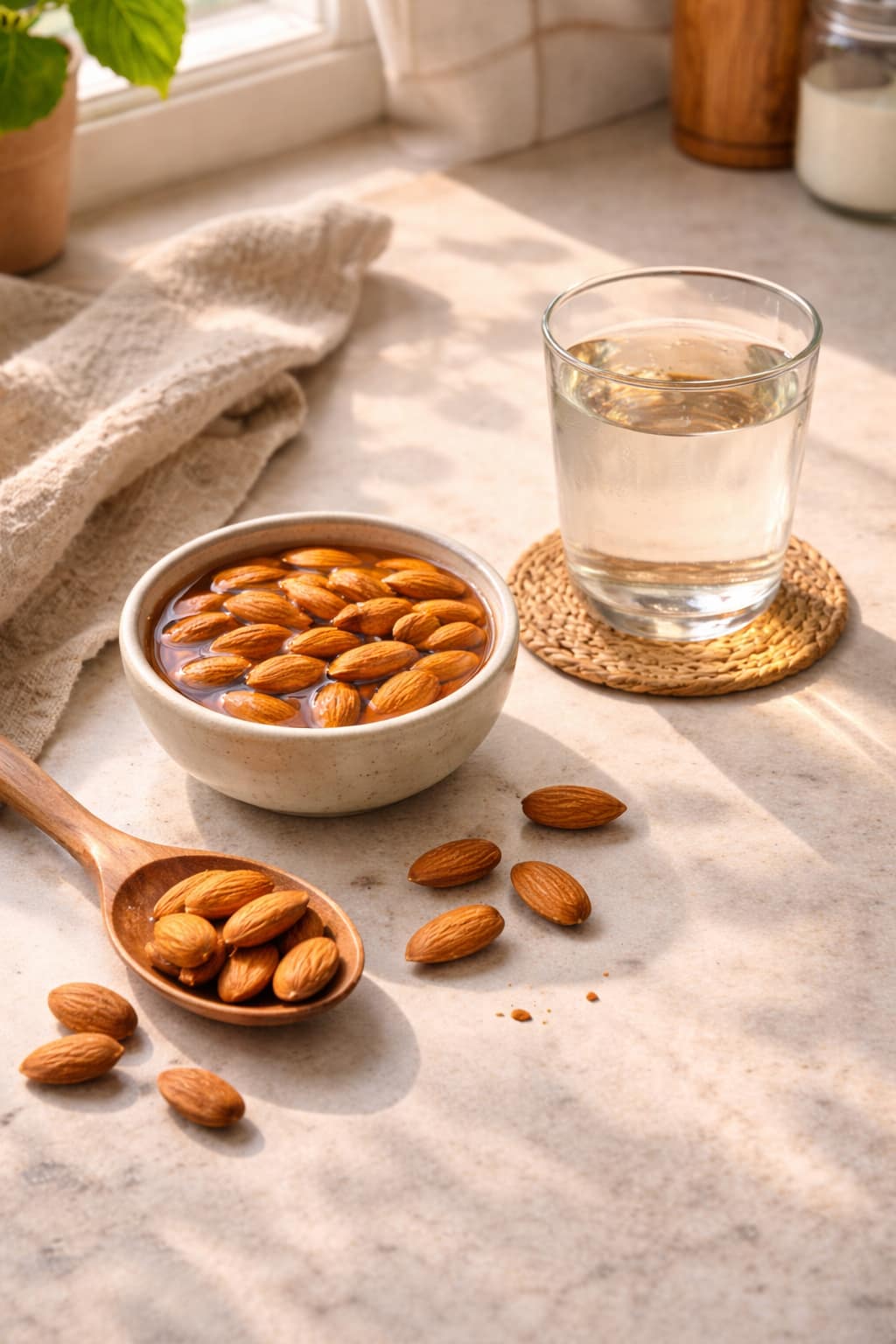
    • Often soaked overnight
    • Good for snacking

    8. Coconut Water

    • Naturally refreshing
    • Great for hydration
    • Popular in summer

    9. Jaggery

    • Known for its mild sweetness
    • Traditionally eaten after meals
    • Simple energy source

    10. Ghee

    • Used in cooking for flavour
    • Part of traditional Indian meals
    • Often added to roti or rice

    11. Tea

    • Morning ritual for many
    • Helps uplift mood
    • Good for social breaks

    12. Milk

    • Often taken at night
    • Common in Indian homes
    • Used in desserts and drinks

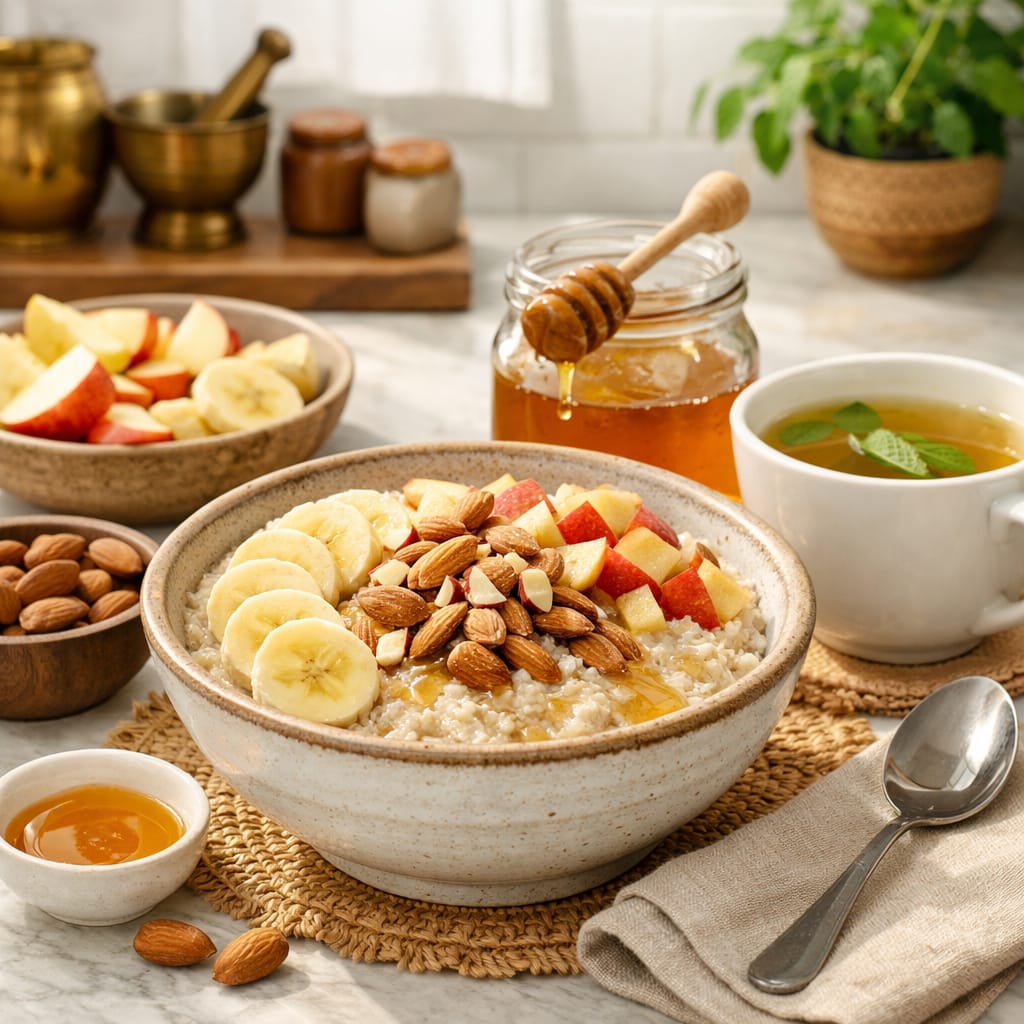
    13. Oats

    • Popular breakfast choice
    • Light and filling
    • Easy to prepare

    14. Eggs

    • Good breakfast protein
    • Supports morning energy
    • Versatile cooking options

    15. Tomatoes

    • Used in salads & gravy
    • Fresh and juicy
    • Adds natural flavour

    16. Spinach

    • Green leafy vegetable
    • Traditionally used for strength
    • Easy to add in dal or sabzi

    17. Carrots

    • Crunchy & refreshing
    • Common in salads
    • Often used in winter dishes

    18. Cucumbers

    • Cooling vegetable
    • Hydrating
    • Perfect for salads

    19. Honey

    • Natural sweetener
    • Used in warm water
    • Great for morning drinks

    20. Chapati (Whole Wheat Roti)

    • Regular meal base
    • Keeps you full
    • Easy to digest

    21. Peanuts

    • Popular snack
    • Crunchy and filling
    • Often eaten roasted

    22. Sweet Potato

    • Good for evening snack
    • Comforting taste
    • Traditionally eaten in winters

    23. Green Tea

    • Light and calming
    • Common afternoon drink
    • Simple lifestyle detox feel

    24. Watermelon

    • Naturally hydrating
    • Best in summer
    • Refreshing after meals

    25. Turmeric

    • Traditional spice
    • Often added to milk or curry
    • Known in home remedies

    Benefits of Everyday Foods in Daily Life

    Benefits of Everyday Foods in Daily Life

    Everyday foods help your daily routine through small but useful lifestyle benefits:

    1. Better Daily Energy

    • Bananas, oats, eggs, jaggery give natural energy.
    • Helpful for morning rush or office days.

    2. Digestive Comfort

    • Curd, dal, bananas, cucumber may support easy digestion.
    • Light meals help keep the stomach calm.

    3. Hydration

    • Coconut water, lemon water, watermelon improve refreshment.
    • Perfect for Indian summers.

    4. Simple Nutrition

    • Almonds, spinach, tomatoes, carrot add plant-based richness.
    • Easy to fit into everyday meals.

    5. Lifestyle Balance

    • Tea, green tea, and honey drinks add calmness.
    • Turmeric and ghee often used in traditional cooking for warmth.

    How and When to Use These Foods? (Timing Guide)

    Morning

    • Banana
    • Oats
    • Almonds
    • Honey water
    • Eggs
    • Lemon water

    These may support morning energy and easy digestion.

    Afternoon

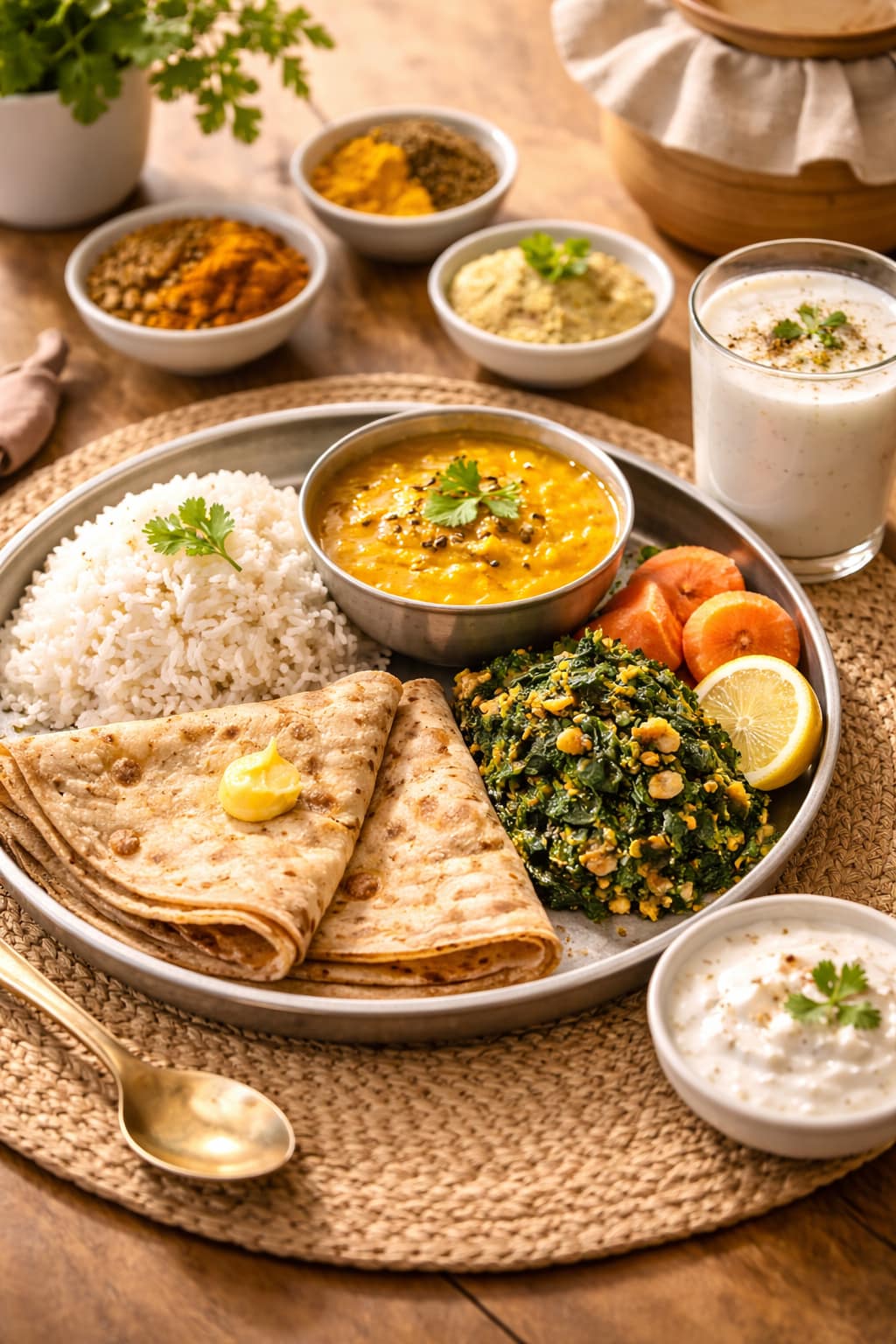
    • Rice + dal
    • Curd
    • Cucumber
    • Tomato salad
    • Green tea

    Helps you stay light and hydrated.

    Evening

    • Sweet potato
    • Tea
    • Peanuts
    • Fruit like apple or watermelon

    Good for hunger control.

    Night

    • Milk
    • Turmeric milk
    • Roti with sabzi

    Helps you wind down and feel full at bedtime.
    Side Effects or Things to Keep in Mind (General Lifestyle Tips)

    Side Effects or Things to Keep in Mind (General Lifestyle Tips)

    • Avoid too much sugar, jaggery, or honey in one day.
    • Too many nuts may feel heavy.
    • Lemon water may feel harsh if taken on an empty stomach for some people.
    • Balance rice and roti instead of overeating.
    • Avoid tea very late at night as it may disturb sleep.

    These are general lifestyle pointers, not medical advice.

    Real-Life Examples or Traditional Uses

    In Indian homes:

    • Turmeric milk is often taken at night for warmth.
    • Bananas are given to kids as a quick breakfast.
    • Curd rice is a common lunch for cooling and comfort.
    • Ghee is drizzled over chapati or dal for flavour.
    • Coconut water is preferred during hot afternoons.

    Seasonal habits:

    • Watermelon, cucumber, lemon drinks in summer
    • Sweet potato and carrots in winter
    • Green leafy vegetables during monsoon and winter

    Festive & cultural uses:

    • Jaggery in sweets
    • Ghee in festive dishes
    • Turmeric in traditional cooking

    Conclusion

    Everyday foods offer simple, useful lifestyle benefits when eaten mindfully. You can mix fruits, grains, vegetables, nuts, and drinks to support energy, hydration, digestion, and daily balance. Choose what suits your body, eat in moderation, and follow timings that match your lifestyle.

    Frequently Asked Questions

    Q. Can we eat banana at night?

    A.Many people prefer eating bananas in the morning or afternoon because they may feel heavy at night. However, if it suits your digestion and you feel comfortable, eating one banana in the evening or at night as a light snack is generally fine.

    Q. Can I eat curd every day?

    A. Yes. Curd is commonly eaten daily in India, especially with lunch. It has a cooling and soothing effect. Some people prefer avoiding it at night if it feels heavy, but this depends on individual comfort.

    Q. Is honey with warm water good in the morning?

    A. Honey with warm water is a popular morning habit. Many people drink it for gentle energy and freshness. Avoid using very hot water, as excessive heat may affect the honey’s texture and taste.

    Q. Can we drink milk before sleep?

    A. Yes. Drinking milk at night is a common practice in many Indian households and may help promote relaxation before sleep. You can add a pinch of turmeric or cardamom for extra flavour.

  • 11 Amazing Benefits of Eating Almonds in Morning

    11 Amazing Benefits of Eating Almonds in Morning

    What Are the Benefits of Eating Almonds in the Morning

    Almonds are one of the most common and loved foods in Indian households. Many families soak almonds overnight and eat them first thing in the morning. This simple habit is known for supporting daily energy, focus, skin glow, and digestion.
    In this article, we explore the 11 amazing benefits of eating almonds in the morning, along with timing, side effects, real-life examples, and simple usage tips.

    What Are the Benefits of Eating Almonds in the Morning?

    Eating almonds in the morning is a traditional lifestyle practice in India. Almonds are rich in natural fats, fibre, and plant-based nutrients that may support morning energy, daily brain function, and skin freshness.
    People generally eat them soaked or raw depending on taste and comfort.

    11 Amazing Benefits of Eating Almonds in the Morning

    Below are the most common lifestyle benefits people experience when they add almonds to their morning routine.

    1. Morning Energy Boost

    Almonds provide slow and steady energy, helping you start your day without feeling tired. They pair well with fruits or breakfast.

    2. Better Digestion Feel

    Soaked almonds may feel lighter and easier to digest for some people compared to raw ones.

    3. Natural Skin Glow Support

    Almonds contain natural oils that are commonly linked with better skin nourishment and freshness.

    4. Improved Concentration Start

    Eating almonds in the morning is traditionally believed to support focus and clear thinking.

    5. Good Mid-Morning Snack

    Almonds prevent early hunger and reduce the temptation to eat unhealthy snacks.

    6. Helps Build a Healthy Daily Habit

    Having almonds in the morning builds a consistent routine that sets the tone for a balanced day.

    7. Complements Morning Fruits

    Almonds with banana, apple, or papaya make a quick and satisfying breakfast combination.

    8. Supports Hydration Habits

    Because many people soak almonds overnight, it naturally encourages morning hydration.

    9. Great for Busy Workdays

    Easy to carry, quick to chew, and perfect for office tiffins.

    10. Supports Healthy Hair & Skin Practices

    Almonds are often used in beauty traditions and hair-care rituals in Indian culture.

    11. Balanced Morning Nutrition

    Almonds contain plant-based fats and fibre which may help you feel full and balanced.

    How and When to Eat Almonds in the Morning

    How and When to Eat Almonds in the Morning?

    Best Timing

    • Right after waking up
    • With your breakfast
    • As a mid-morning snack

    How to Eat Almonds

    • Soaked overnight (preferred by many)
    • Raw almonds
    • Sliced into oats, porridge, or fruit bowls
    • Mixed with raisins or walnuts as a dry fruit combo

    General Quantity

    Most people eat 4–7 almonds in the morning.
    Choose the amount that feels comfortable for your digestion.

    Side Effects or Things to Keep in Mind

    Side Effects or Things to Keep in Mind

    These points are general lifestyle tips, not medical warnings:

    • Eating too many almonds at once may feel heavy.
    • Raw almonds may feel harder to digest for some people.
    • Avoid almonds immediately after very heavy meals.
    • People with dryness issues may feel better with soaked almonds.
    • Drink enough water when eating dry fruits.

    Listen to your body and adjust the quantity accordingly.

    Real-Life Examples & Traditional Uses

    Real-Life Examples & Traditional Uses

    In Indian Homes

    • Children are often given soaked almonds before school.
    • Many elders eat almonds with warm milk in winter.
    • Almonds are added to halwa, kheer, and festival sweets.
    • Morning soaked almonds are considered a simple wellness ritual.

    Seasonal Uses

    • Summer: Soaked almonds feel lighter.
    • Winter: Raw almonds feel warming.
    • Monsoon: Light morning nuts with tea are common.

    Cultural Habit

    Almonds have been part of Indian lifestyle and Ayurveda traditions for centuries, mainly for nourishment and morning energy.

    Conclusion

    Eating almonds in the morning is a simple and effective lifestyle habit. They offer steady energy, support skin nourishment, and help you avoid unhealthy snacking. Whether soaked or raw, almonds fit perfectly into a healthy morning routine.

    Start with a few almonds every day and observe how your body feels.

    Frequently Asked Questions

    Q1. Can we eat almonds at night?

    Yes, you can eat almonds at night, but many people prefer having them in the morning. At night, almonds may feel slightly heavy for some individuals. If you are comfortable, you can have 2–3 almonds in the evening or before bed.

    Q2. Can I eat almonds daily?

    Yes, almonds are commonly eaten daily in many Indian households. Most people consume about 4–7 almonds every morning. You may choose soaked or raw almonds based on your digestion and personal preference.

    Q3. Are almonds good for skin naturally?

    Yes, almonds are traditionally believed to support natural skin nourishment because of their healthy natural oils. Many people include almonds in their morning routine for better hydration and a subtle glow.

    Q4. Should almonds be soaked or eaten raw?

    Soaked almonds are easier to chew and may feel lighter on the stomach. Raw almonds are also fine if you digest them well. Both options are beneficial—choose what suits your body best.

    Q5. Can almonds help with morning energy?

    Yes, almonds may support morning energy due to their plant-based fats and fibre. They help keep you full and active for longer, especially when eaten with fruits or as part of breakfast.