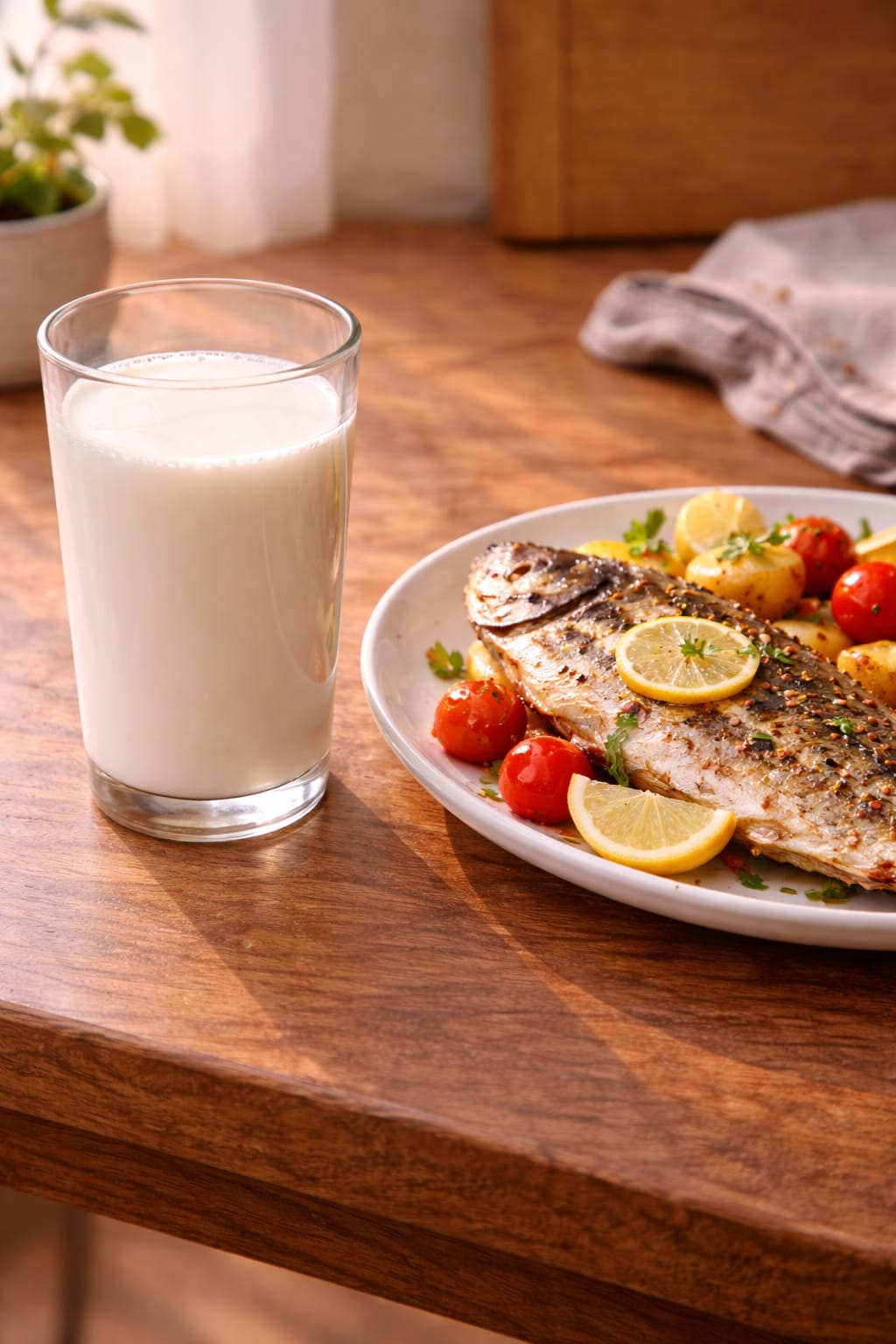
In many Indian households, there is a long-standing belief that drinking milk after eating fish is not good for the body. People often avoid this combination due to traditional reasons. Understanding the simple lifestyle logic behind milk after eating fish side effects can help you decide what suits your routine.
What Does It Mean to Drink Milk After Eating Fish?
Drinking milk after eating fish means having milk, milk-based sweets, or milk drinks soon after a fish meal. Some people do it unknowingly, while others avoid it due to traditional beliefs. This food combination is often discussed because milk is cooling in nature, whereas fish is considered warmer.
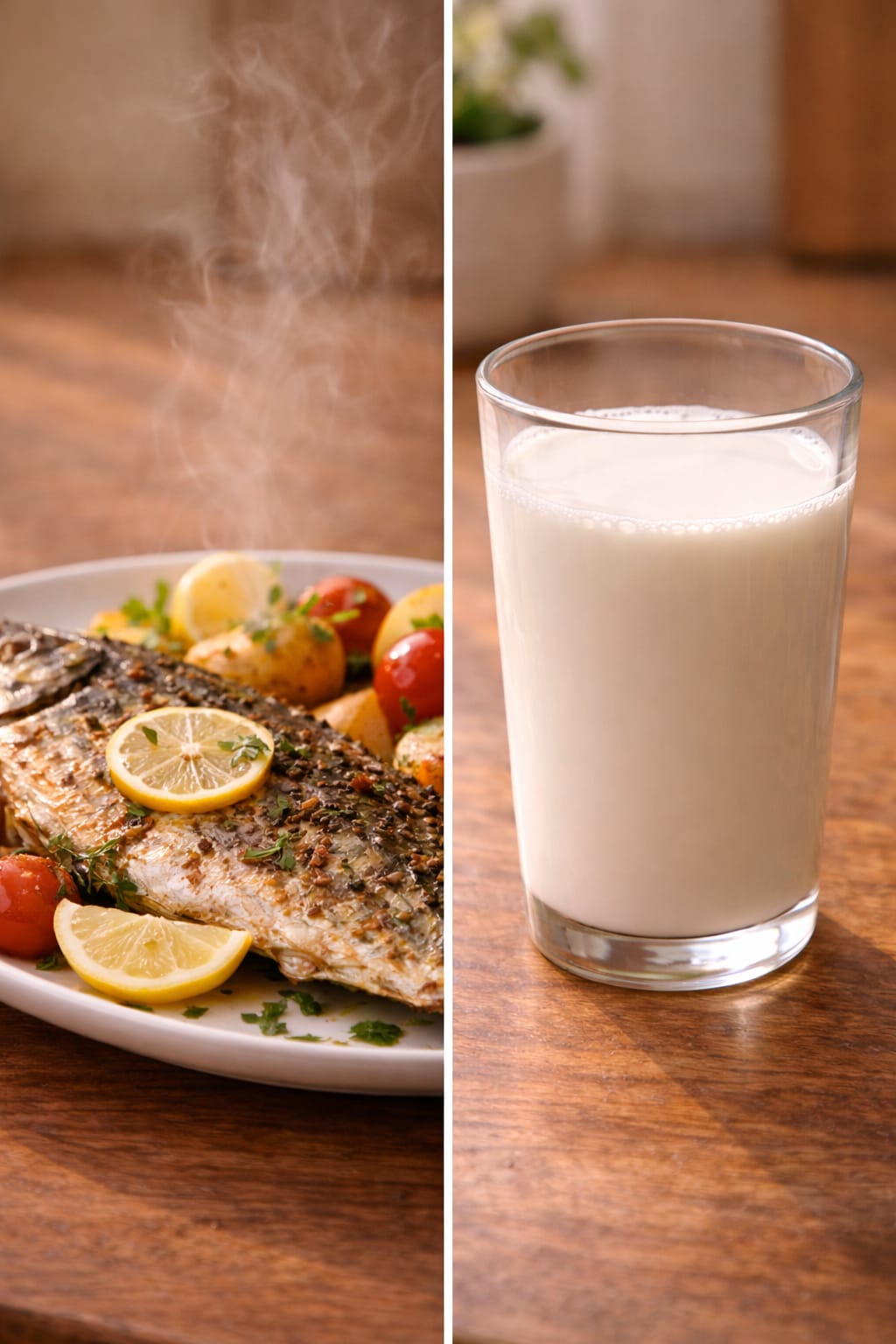
Benefits of Milk and Fish (When Consumed Separately)
Both milk and fish have their own everyday lifestyle benefits, especially when consumed at the right time:
- Steady Energy
Milk and fish both provide long-lasting energy when taken as part of daily meals. - Good for Daily Nourishment
Milk gives warmth and comfort, while fish provides a filling meal. - Easy to Include in Meals
Milk fits well in breakfast or night routines, while fish works well in lunch or dinner. - Helps Maintain a Balanced Diet
Consuming them separately allows you to enjoy both without discomfort.

How and When to Consume Milk or Fish?
To avoid discomfort, people generally space these two foods apart.
Milk Timing
Milk is usually consumed at:
- Night, for comfort and relaxation
- Morning, with breakfast
- Evening, as a light drink
Fish Timing
Fish is usually eaten during:
- Lunch, when digestion is stronger
- Dinner, in small portions
Gap Between Fish and Milk
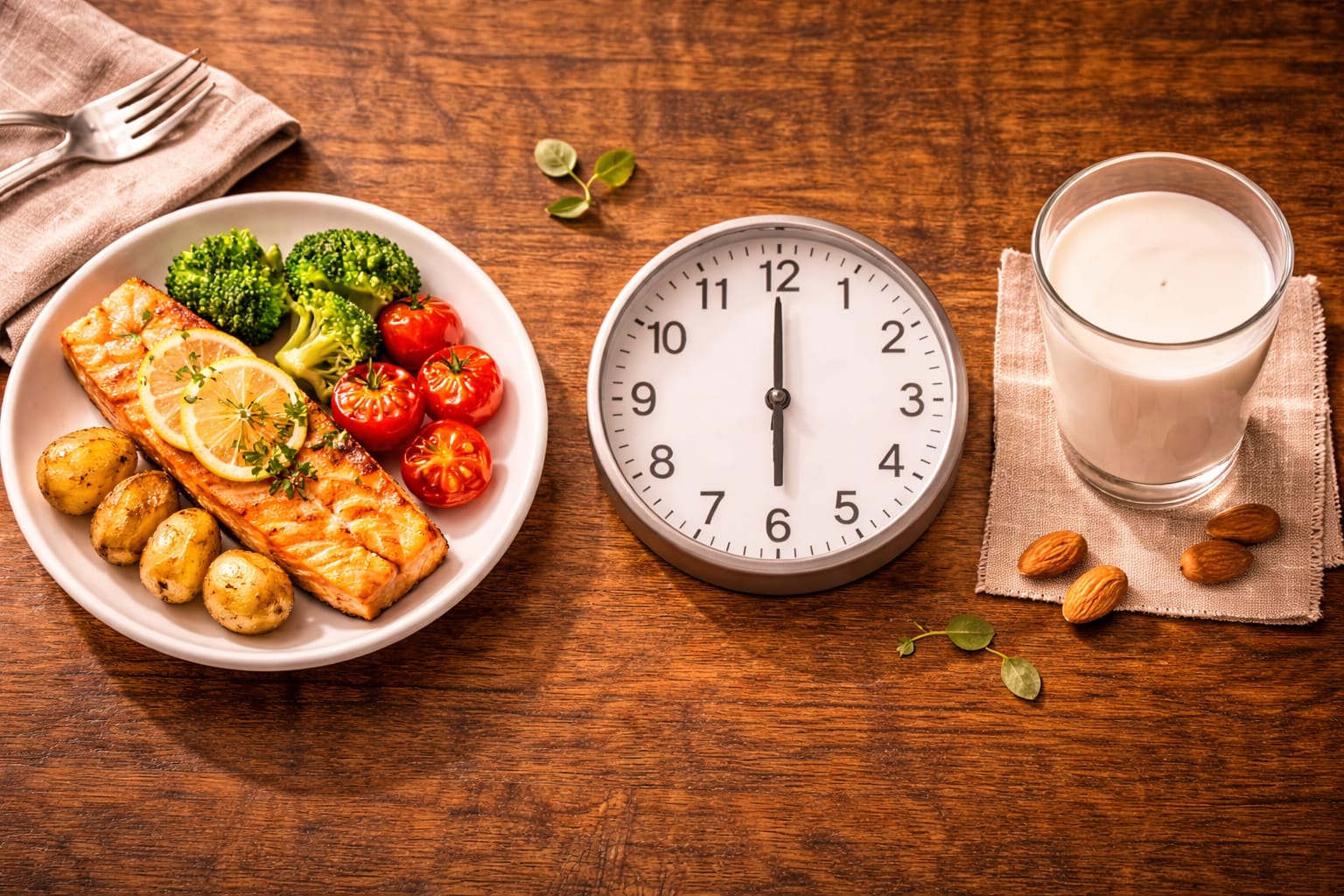
Most households prefer keeping a 3–4 hour gap when consuming both foods on the same day. This is a traditional practice to avoid heaviness or digestive discomfort.
Side Effects of Milk After Eating Fish
These are common traditional or lifestyle-based concerns:
1. Digestive Discomfort
Fish is heavy for some people. Drinking milk immediately afterward may add to the heaviness.
2. Conflicting Nature
In many cultures, milk is considered cooling, while fish is warming. Combining hot and cold foods may cause uneasiness for some.
3. Bloating or Fullness
Having two rich foods together can make you feel overly full.
4. Slower Digestion
Both foods take time to digest. Eating them too close together may feel uncomfortable.
5. Mucus Formation
Milk may increase mucus in some people. Combining it with certain foods may feel uncomfortable, especially in winter.
These are everyday lifestyle observations, not medical concerns.
Real-Life Examples or Traditional Uses
- In Indian households, elders often advise not to mix milk and fish in the same meal.
- Many people enjoy milk at night and fish during the day, keeping a natural gap.
- Some coastal families eat fish regularly but still avoid milk immediately afterward.
- This practice is followed more for comfort and digestion than strict rules.
Conclusion:
Milk and fish are both nutritious parts of many diets. The concern begins only when they are eaten together. To avoid minor discomfort, most people follow the simple rule of keeping a few hours of gap between the two. This keeps your routine easy, balanced, and comfortable.
Frequently Asked Questions
Q1. Can we drink milk at night after eating fish in the evening?
Yes, you can drink milk at night after eating fish, but many people prefer to keep a gap of a few hours between the two. This helps avoid heaviness and follows traditional practices for better comfort.
Q2. Can I eat fish and milk daily?
Yes, you can include both fish and milk in your daily routine, as long as you do not consume them together. Most people eat fish during lunch or dinner and have milk in the morning or at night.
Q3. Is the fish–milk combination harmful for skin, digestion, or energy?
Traditionally, people believe that eating fish and milk together may cause discomfort, though nothing major for most individuals. Keeping them separate may help support smooth digestion and comfortable energy levels.